
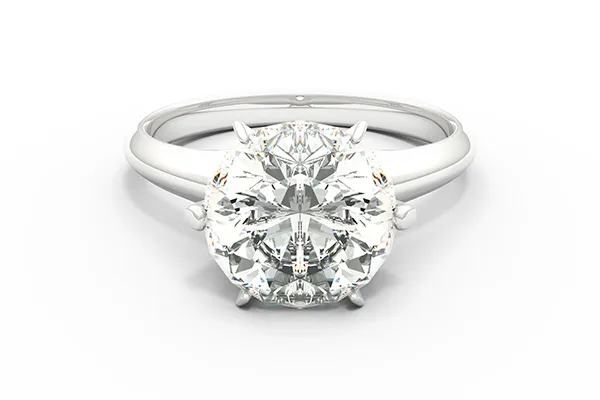
The 4 C’s of a Diamond: What Really Makes That Sparkle Shine?
Welcome, fellow gem enthusiasts and curious minds! Today, we’re diving into a dazzling topic that often comes up when you hear the word “diamond.” Whether you’re planning a special purchase, just love learning about precious stones, or want to impress at your next trivia night, understanding the 4 C’s is an absolute must. These are the essential qualities that determine not only a diamond’s value but also its true beauty.
Cut: The Heart of a Diamond’s Brilliance
First up is the Cut. No, it’s not about the shape—that’s a common misconception. Cut refers to how well a diamond’s facets are proportioned and finished, which directly affects how light dances inside the stone. A well-cut diamond will reflect light like a tiny disco ball, throwing fire and brilliance every which way. On the flip side, a poorly cut diamond can look dull or lifeless, no matter how big or clear it is.
Think of it like this: a diamond is only as stunning as its cut quality allows it to be. Even the rarest gems need a master cutter’s touch to truly shine.
Color: The Spectrum Behind Perfection
Next comes Color. While many imagine pure white diamonds, most actually have subtle tints, usually yellow or brown. The grading scale runs from D (completely colorless and highly prized) to Z (noticeable color). Of course, fancy colored diamonds like blues, pinks, and greens play by their own exciting rules, but if you’re after that classic sparkle, the closer to colorless, the better.
Interestingly, sometimes a very faint tint can add warmth and character, depending on personal taste and the setting. So color isn’t just a ruler—it’s part of the personality.
Clarity: The Tiny Imperfections That Tell a Big Story
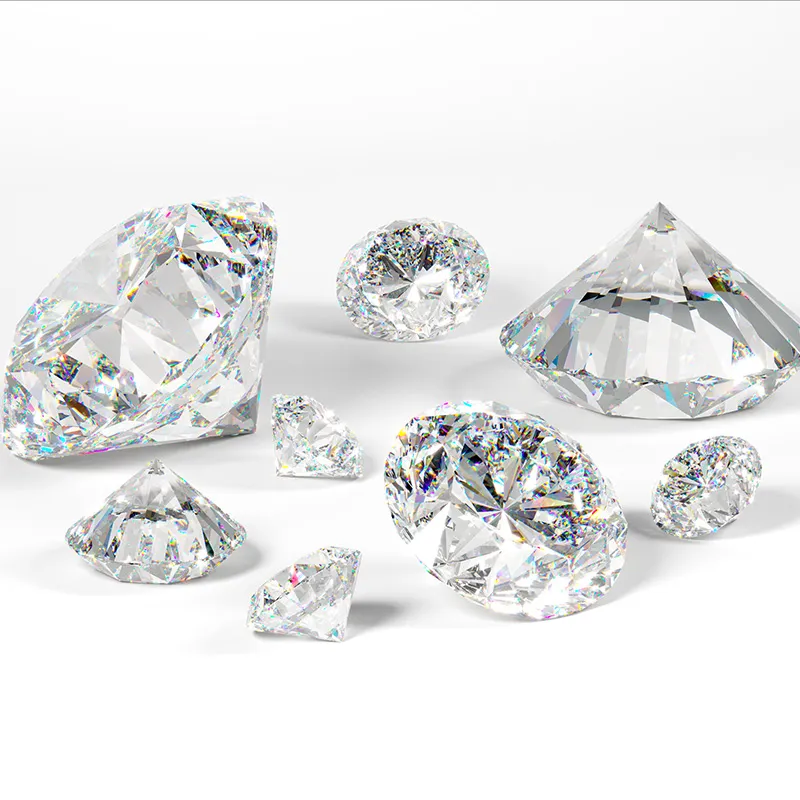
Then there’s Clarity, which measures how free the diamond is from internal flaws (inclusions) and surface blemishes. The clearer the diamond, the rarer it is. But here’s a little secret: most inclusions are microscopic and don’t detract from beauty unless you’re a trained gemologist inspecting under a loupe.
Some inclusions even create unique “fingerprints” that make a diamond one-of-a-kind, kind of like a tiny birthmark. So clarity is both a scientific grading and a story of nature’s own artistry.
Carat Weight: The Size That Turns Heads
Finally, Carat weight — often the first thing that jumps to mind when we think “bigger is better.” Carat measures a diamond’s weight, not its size, and sometimes a heavier diamond can look smaller depending on its cut. One carat equals 200 milligrams, but what really matters is how size and cut work together.
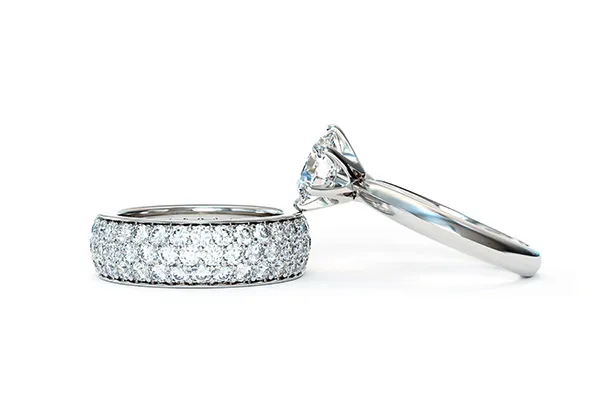
Keep in mind, a slightly smaller but brilliantly cut diamond can outshine a heavier stone with poorer cut and clarity–so never judge a sparkle by its size alone!
Bringing It All Together
The magic of the 4 C’s lies in their balance. Every diamond buyer has their own priorities—some chase sheer size, others want the impeccably flawless, and many simply want a stone that captivates with fiery brilliance.
Understanding these four qualities helps you become a more informed shopper and appreciate the subtle science and artistry behind those twinkling gems.
Next time you gaze at a sparkling diamond—be it on a ring, necklace, or even a movie star’s hand—you’ll see it in a new light, knowing the story behind every facet.
Welcome, fellow gem enthusiasts and curious minds! Today, we’re diving into a dazzling topic that often comes up when you hear the word “diamond.” Whether you’re planning a special purchase, just love learning about precious stones, or want to impress at your next trivia night, understanding the 4 C’s is an absolute must. These are the essential qualities that determine not only a diamond’s value but also its true beauty.
Cut: The Heart of a Diamond’s Brilliance
First up is the Cut. No, it’s not about the shape—that’s a common misconception. Cut refers to how well a diamond’s facets are proportioned and finished, which directly affects how light dances inside the stone. A well-cut diamond will reflect light like a tiny disco ball, throwing fire and brilliance every which way. On the flip side, a poorly cut diamond can look dull or lifeless, no matter how big or clear it is.
Think of it like this: a diamond is only as stunning as its cut quality allows it to be. Even the rarest gems need a master cutter’s touch to truly shine.
Color: The Spectrum Behind Perfection
Next comes Color. While many imagine pure white diamonds, most actually have subtle tints, usually yellow or brown. The grading scale runs from D (completely colorless and highly prized) to Z (noticeable color). Of course, fancy colored diamonds like blues, pinks, and greens play by their own exciting rules, but if you’re after that classic sparkle, the closer to colorless, the better.
Interestingly, sometimes a very faint tint can add warmth and character, depending on personal taste and the setting. So color isn’t just a ruler—it’s part of the personality.
Clarity: The Tiny Imperfections That Tell a Big Story
Then there’s Clarity, which measures how free the diamond is from internal flaws (inclusions) and surface blemishes. The clearer the diamond, the rarer it is. But here’s a little secret: most inclusions are microscopic and don’t detract from beauty unless you’re a trained gemologist inspecting under a loupe.
Some inclusions even create unique “fingerprints” that make a diamond one-of-a-kind, kind of like a tiny birthmark. So clarity is both a scientific grading and a story of nature’s own artistry.
Carat Weight: The Size That Turns Heads
Finally, Carat weight — often the first thing that jumps to mind when we think “bigger is better.” Carat measures a diamond’s weight, not its size, and sometimes a heavier diamond can look smaller depending on its cut. One carat equals 200 milligrams, but what really matters is how size and cut work together.
Keep in mind, a slightly smaller but brilliantly cut diamond can outshine a heavier stone with poorer cut and clarity–so never judge a sparkle by its size alone!
Bringing It All Together
The magic of the 4 C’s lies in their balance. Every diamond buyer has their own priorities—some chase sheer size, others want the impeccably flawless, and many simply want a stone that captivates with fiery brilliance.
Understanding these four qualities helps you become a more informed shopper and appreciate the subtle science and artistry behind those twinkling gems.
Next time you gaze at a sparkling diamond—be it on a ring, necklace, or even a movie star’s hand—you’ll see it in a new light, knowing the story behind every facet.