
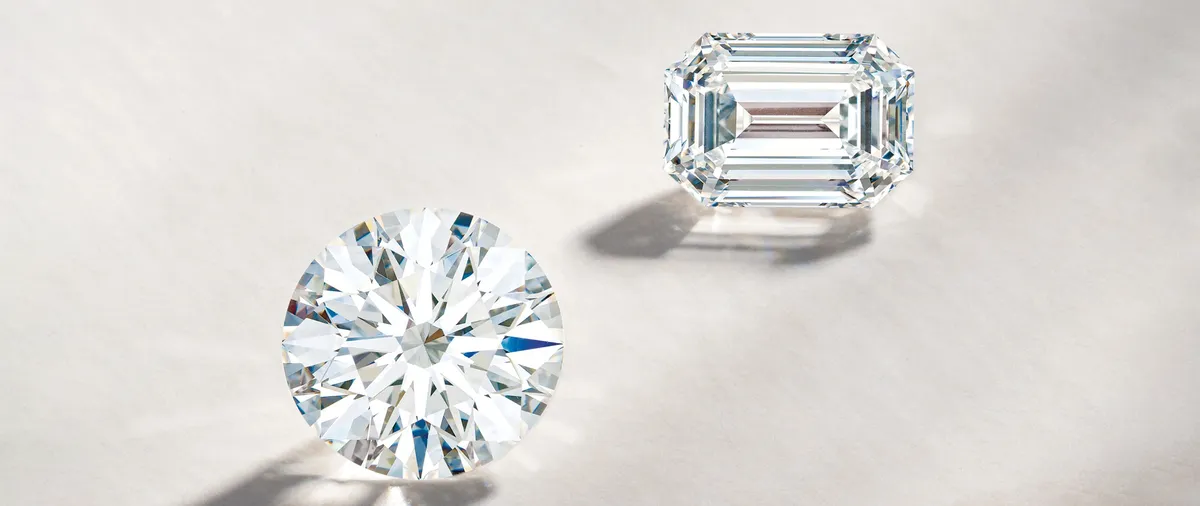
Lab Grown Diamonds: The Future of Luxury
Lab-grown diamonds are revolutionizing the luxury market. They offer a sustainable and ethical alternative to traditional diamonds. As technology advances, these gems are becoming more popular among consumers.
Natural diamonds have long been symbols of luxury and rarity. Formed over billions of years, they carry historical and sentimental value. However, their environmental and ethical concerns are prompting a shift in consumer preferences.
This article explores the differences between lab-grown and natural diamonds. Discover why lab-grown diamonds are gaining traction as the future of luxury.
Lab Grown vs. Natural Diamond: What’s the Difference?
At first glance, lab-grown and natural diamonds may appear identical. However, their origins are vastly different, shaping consumer choices. Lab-grown diamonds are created in advanced labs, mimicking natural conditions but in a fraction of the time.
Natural diamonds form over billions of years deep within Earth under immense pressure. In contrast, lab-grown diamonds take mere weeks to produce, utilizing high-tech processes. These technological gems are chemically and physically the same as their natural counterparts.
Here's what distinguishes them:
- Origin: Natural vs. Lab-Created
- Time to Form: Billions of Years vs. Weeks
- Environmental Impact: Higher vs. Lower
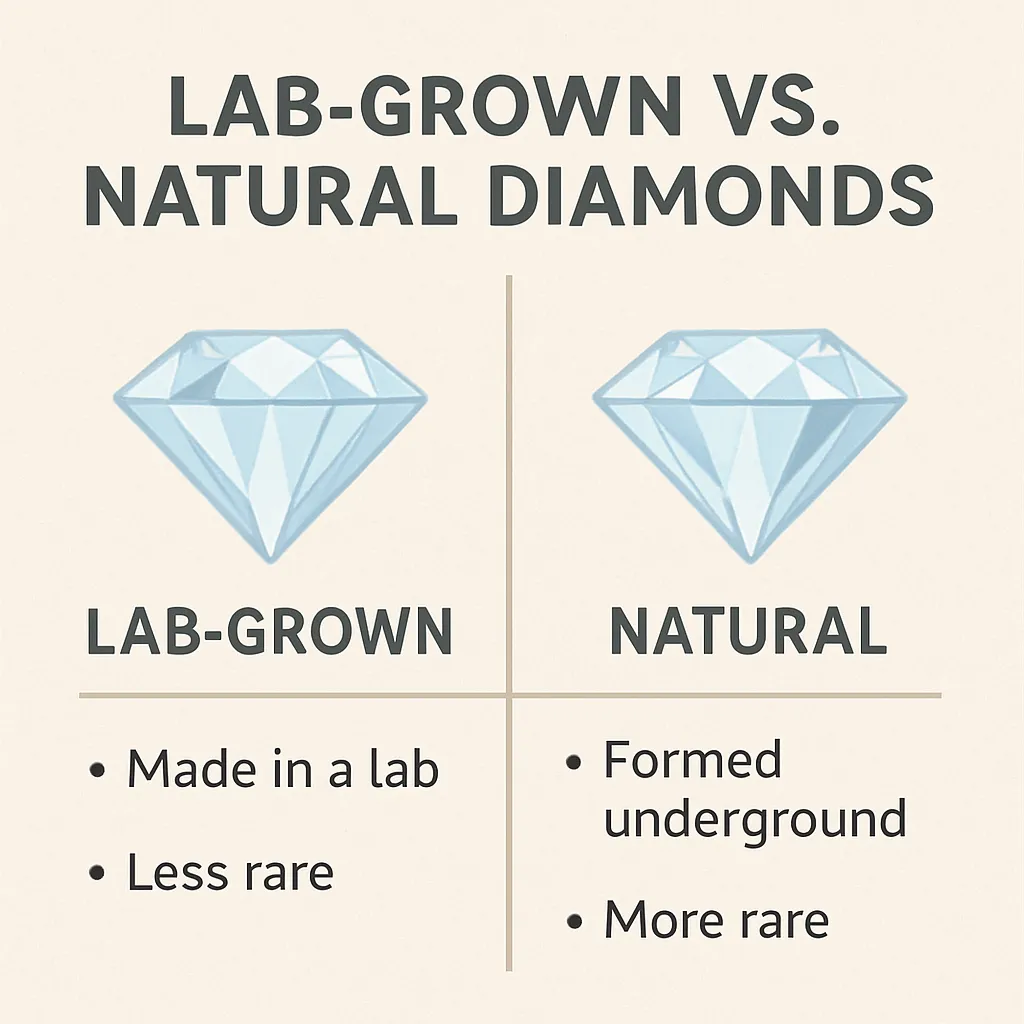
Ultimately, the choice hinges on individual preferences and values. Understanding these differences can guide a well-informed decision.
How Are Lab Diamonds Made?
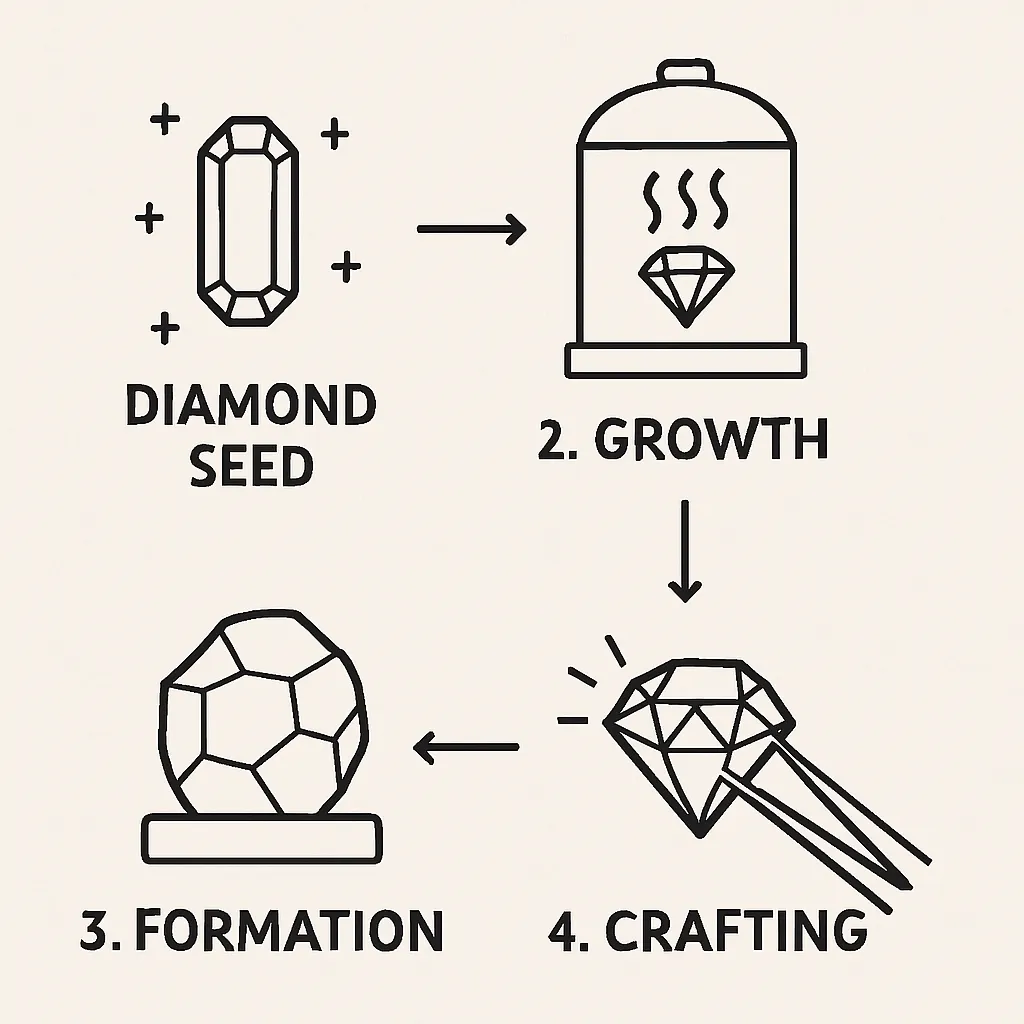
Lab diamonds are formed in highly controlled settings through remarkable technology. There are two primary methods used: High Pressure High Temperature (HPHT) and Chemical Vapor Deposition (CVD). Each process simulates the natural forces found deep within the Earth.
HPHT subjects a small diamond seed to high pressure and temperature, encouraging crystal growth. Alternatively, CVD employs a carbon-rich gas that breaks down to deposit diamond layers on a substrate. Both methods result in stunning lab diamonds.
 Comparing Quality and Appearance
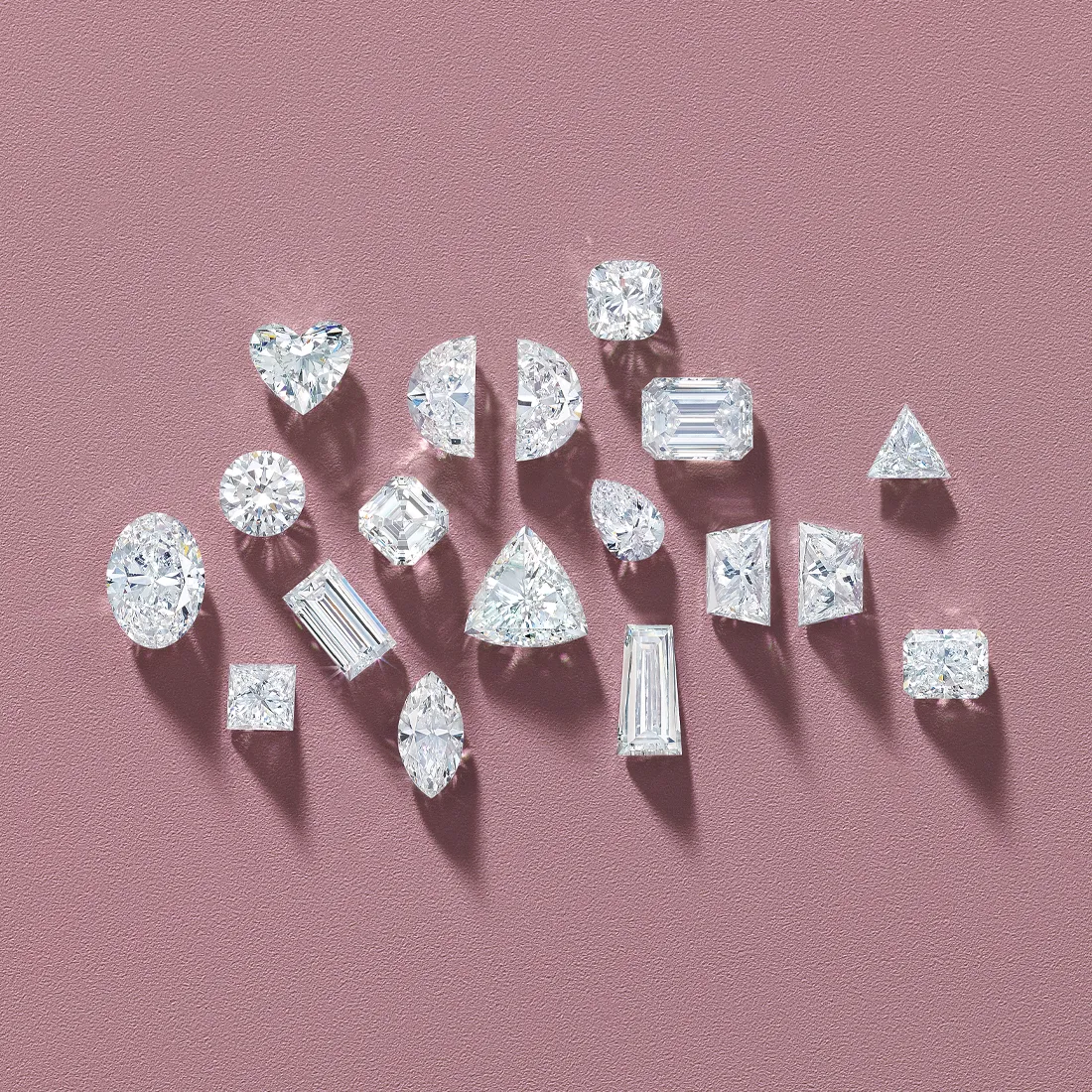
Lab diamonds are virtually indistinguishable from natural diamonds to the naked eye. Their chemical and physical properties match exactly, making them equally stunning.The grades given to both types of diamonds are based on the same criteria. Key factors include:
- Cut
- Color
- Clarity
- Carat weight
Environmental and Ethical Impact
The production of lab-grown diamonds is seen as more sustainable. They have a much smaller environmental footprint compared to mining natural diamonds.Mining for natural diamonds can harm ecosystems and communities. Lab-grown diamonds avoid these issues entirely. Key ethical advantages include:
- Lower carbon emissions
- No conflict diamond issues
- Minimal disruption to land and wildlife
Lab diamonds provide a guilt-free alternative for eco-conscious consumers. Their ethical appeal is a major factor driving their popularity.
Value, Price, and Resale
Lab-grown diamonds are generally more affordable than natural diamonds. This price difference makes them attractive to many buyers.However, the resale value of natural diamonds is often higher. When considering value, keep in mind:
- Initial purchase cost
- Long-term investment potential
- Resale market demand
Despite the lower resale value, lab diamonds offer a cost-effective way to enjoy luxury. They allow more people access to diamond jewelry.
The Future of Diamonds in Luxury
Lab-grown diamonds are paving the way for a new era in the luxury sector. As technology advances, quality improves, and costs decline.Consumer attitudes are shifting towards eco-friendly and ethical choices. This change fuels the growth of lab-grown diamonds. Consequently, we may see a significant shift in the diamond industry. It’s an exciting future for diamond enthusiasts.