
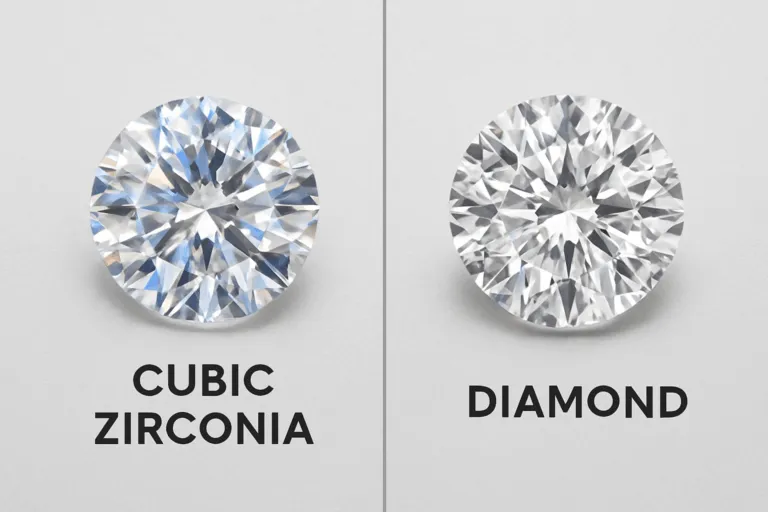
Cubic Zirconia vs Diamond: Key Differences Explained
Choosing between cubic zirconia and diamonds can be challenging. Both have their unique qualities and appeal.
Cubic zirconia, often called CZ, is a popular diamond alternative. It's synthetic, affordable, and visually similar to diamonds.
Diamonds, on the other hand, are natural and renowned for their brilliance and durability. They symbolize luxury and status.
Understanding the differences between these gemstones is crucial. It helps in making informed decisions when buying jewelry.
This guide will explore the key differences between cubic zirconia and diamonds. We'll cover aspects like appearance, durability, and ethical considerations.
What Are Cubic Zirconia and Diamonds?
Cubic zirconia is a synthetic gemstone made from zirconium dioxide. It's created in labs to mimic the appearance of natural diamonds. This process allows manufacturers to produce flawless stones.
Diamonds are naturally occurring gemstones formed over millions of years. Extreme pressure and heat deep within the Earth create these rare stones. They are renowned for their exceptional hardness and sparkle.
Here are some key distinctions between them:
-
Origin: CZ is lab-made; diamonds are natural.
-
Composition: CZ is zirconium dioxide; diamonds are pure carbon.
-
Creation Time: CZ takes days to form; diamonds take millions of years.
These differences impact their cost, availability, and desirability in the jewelry market.
Appearance: Brilliance, Fire, and Clarity
Both cubic zirconia and diamonds are known for their beautiful appearance. However, their optical qualities differ. Diamonds are famous for their exceptional brilliance and fire.
The refractive index of a diamond causes light to disperse into vivid colors. Cubic zirconia, while similar in sparkle, has a slightly different look. Its brilliance can appear more glass-like, lacking some of the diamond's unique fire.
In terms of clarity, CZ often appears flawless. As a manufactured stone, imperfections can be minimized during production. Diamonds, on the other hand, often have inclusions and blemishes. These natural imperfections add character but can affect clarity grades.
Here are some key appearance considerations:
-
Brilliance: Diamond's unmatched refractive brilliance.
-
Fire: Diamond disperses light into rainbow colors.
-
Clarity: CZ can look flawless; diamonds may have inclusions.
Understanding these differences helps in choosing the right stone for your taste and style.
Durability and Hardness
Durability is crucial when choosing gemstones for everyday wear. Diamonds are renowned for their unparalleled hardness. They score a perfect 10 on the Mohs hardness scale.
Cubic zirconia, while durable, is softer. It typically scores between 8 and 8.5. This makes CZ more prone to scratches compared to diamonds.
When considering long-term durability, diamonds have an advantage. They resist wear and retain their polish longer. Cubic zirconia might need more care to maintain its appearance over time.
Key points on durability:
-
Hardness: Diamonds rate 10; CZ rates 8-8.5.
-
Scratches: CZ can scratch more easily.
-
Longevity: Diamonds better withstand daily use.
Choosing the right stone depends on how much durability matters to you.
Weight and Feel
When it comes to weight, cubic zirconia is heavier than diamonds. This difference can be noticeable in larger pieces of jewelry.
The density of cubic zirconia makes it feel heftier on the finger or neck. While some appreciate this substantial feel, others prefer the lighter weight of diamonds. The choice often depends on personal preference and the intended use of the jewelry.
Price and Value
Price is a major factor when choosing between cubic zirconia and diamonds. Cubic zirconia offers a budget-friendly alternative to diamonds.
Diamonds are renowned for their rarity and status. This makes them significantly more expensive. Yet, cubic zirconia can still offer the same brilliance and appearance at a fraction of the cost.
When considering value, it's vital to note that diamonds generally hold their value over time. Cubic zirconia, however, lacks resale value. The choice depends largely on whether you're looking for an investment piece or an affordable option. Here's a quick comparison:
-
Cubic Zirconia: Affordable, low resale value
-
Diamond: Expensive, high resale value
Cubic Zirconia vs Lab Diamond
Lab diamonds present a fascinating alternative to both natural diamonds and cubic zirconia. They share the same physical and chemical properties as natural diamonds, making them indistinguishable to the naked eye.
Cubic zirconia, on the other hand, is a unique gemstone in its own right. It is created specifically to mimic the appearance of diamonds. Despite being less costly, cubic zirconia lacks the same composition and durability as lab diamonds.
When comparing these options, consider these points:
-
Cubic Zirconia: Cheaper, visually similar, softer
-
Lab Diamond: Identical properties to natural diamonds, more durable, mid-range cost
Lab diamonds also offer the advantage of being ethically produced, which is an important consideration for many buyers.
Ethical and Environmental Considerations
The choice between cubic zirconia, lab diamonds, and natural diamonds greatly impacts ethics and the environment. Diamond mining often raises significant concerns, including ecological damage and human rights issues.
In contrast, cubic zirconia and lab diamonds are considered more sustainable and conflict-free. These alternatives avoid the harsh realities of traditional mining practices and provide peace of mind for conscientious buyers.
Key ethical and environmental benefits:
-
Reduced ecological footprint
-
Avoidance of conflict zones
-
Support for sustainable practices
Opting for cubic zirconia or lab diamonds aligns with values of sustainability and ethical sourcing, making them appealing choices for eco-conscious consumers.
Which Should You Choose?
Choosing between cubic zirconia, lab diamonds, and natural diamonds depends on several factors. Consider your budget, personal values, and purpose of the jewelry. Each option offers distinct advantages.
If cost is your primary concern, cubic zirconia offers exceptional affordability without compromising visual appeal. It's an excellent choice for fashion jewelry and temporary pieces.
Consider these aspects when making your decision:
-
Budget constraints
-
Ethical considerations
-
Long-term value
For those valuing ethics and sustainability, lab diamonds present a balanced option. They provide the same brilliance as natural diamonds while being more eco-friendly. Ultimately, personal preference and priorities will guide your choice, ensuring satisfaction with your selected gemstone.
Conclusion
The choice between cubic zirconia, lab diamonds, and natural diamonds can be complex but rewarding. Understanding their differences helps you make an informed decision.
Whether you value affordability, ethical sourcing, or timeless beauty, one gemstone will align with your goals. Ultimately, the right choice depends on your values and desires, ensuring your selection brings joy and satisfaction.