
Introduction
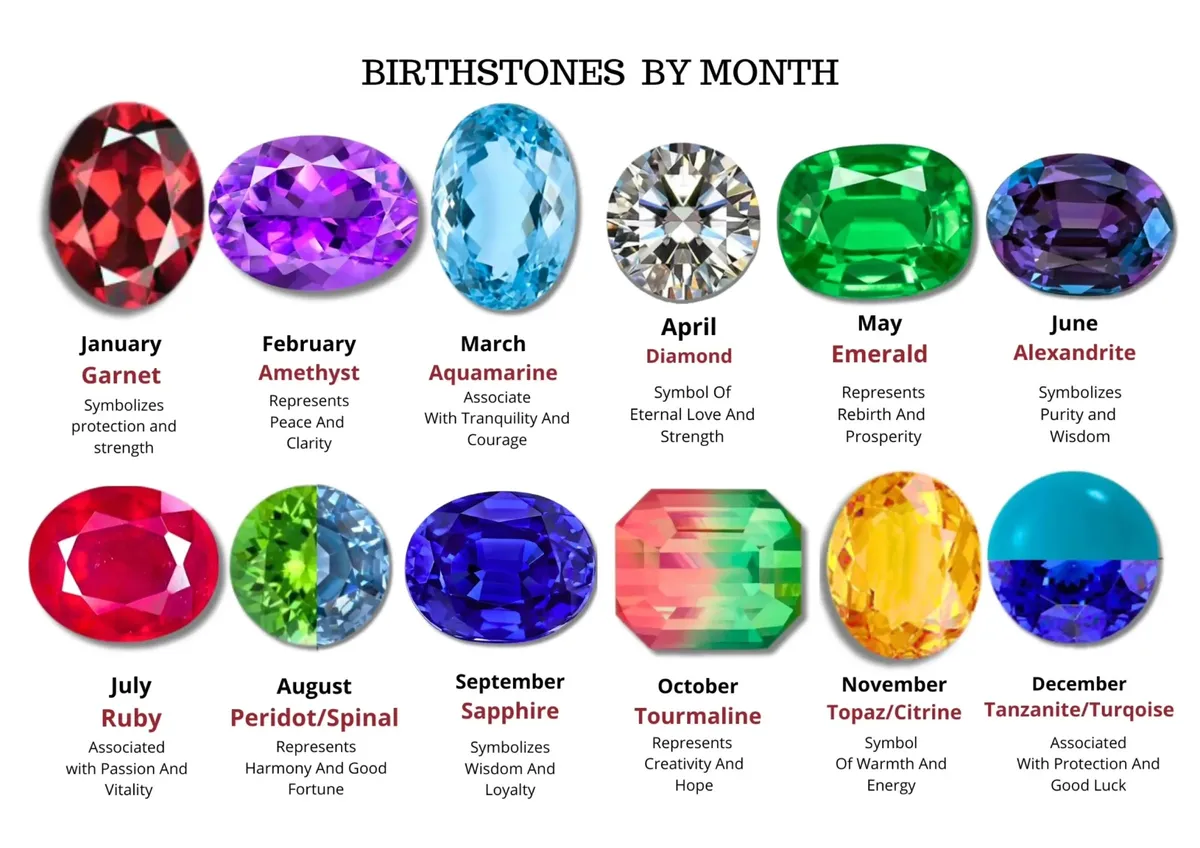
Birthstones have long been admired for their beauty and believed to bring good fortune to those who wear them. These captivating gemstones are traditionally associated with each month of the year, each possessing its unique significance and history. Surprisingly, several months boast multiple birthstones, offering individuals a delightful choice. In this blog, we will explore these months with multiple birthstones, unraveling the fascinating historical context and symbolic meanings behind these gemstones. Join us on this journey to discover the richness and diversity of monthly gemstones.
The History of Birthstones
Birthstones have long held a place of significance in human culture. Each month is associated with particular gemstones, believed to harbor unique powers and symbolic meanings. Understanding the history and evolution of birthstones allows us to appreciate the depth of their cultural significance.
Origins and Traditions
The concept of birthstones is thought to date back to biblical times, speculated to be linked to the Breastplate of Aaron, a religious garment described in the Book of Exodus. The breastplate is said to have contained twelve stones, each representing one of Israel's tribes. These stones were later associated with the twelve zodiac signs and the twelve months of the year, a tradition that persisted through the ages.
In ancient societies, such as those in Babylon and Greece, people wore gemstones as talismans and amulets. These cultures believed particular stones possessed mystical properties and could influence health, fortune, and wellbeing. Aligning these stones to the month of one's birth only amplified these stones' supposed powers.
Evolution Over Time
As centuries passed, the practice evolved, becoming more standardized in the Middle Ages. By the 18th century, gemstone identification and classification improved significantly, leading to the creation of birthstone lists. These lists were often debated, varying by region and culture. However, the notion that a gemstone held special significance for the wearer remained consistent.
A major turning point came in 1912 when the American National Retail Jewelers Association (now known as Jewelers of America) officially adopted a list of birthstones. This list, though influential, was not the final word on which stones were linked to particular months but provided a standard for commercial and social purposes.
Modern Adaptations
In recent decades, birthstones have continued their evolution, with modern additions and adjustments based on cultural shifts, gemstone discoveries, and marketing strategies. The jewelry industry has embraced these stones for their aesthetic appeal, while spiritual and holistic movements often highlight their purported metaphysical properties.
The continuous discovery of new gemstones and the changing values of society have led to more recent updates of birthstone lists. For example, the addition of tanzanite as a modern December birthstone reflects the gem's recent discovery and subsequent popularity.
Months with Two or More Birthstones
While each month traditionally boasts a single birthstone, several months have the distinction of possessing multiple gemstones. These variations offer not only a wider range of choices for personal adornment but also a richer selection of historical and spiritual associations.
June: Pearl, Alexandrite, Moonstone
June is unique, with its trio of birthstones, each with its distinct allure and symbolism:
- Pearl : A classic symbol of purity and innocence, pearls have been treasured throughout history. Unlike most precious stones, pearls are organic, formed within the shells of mollusks. They have been associated with moonlight and mystery and are often worn to promote wisdom and integrity.
- Alexandrite : Known for its remarkable color-changing ability, alexandrite is a relatively modern addition to June's birthstones. Discovered in the 19th century in Russia's Ural Mountains, this gemstone is prized for its shifting hues—appearing green in daylight and red under incandescent light. Alexandrite is symbolic of luck, balance, and self-control.
- Moonstone : Revered for its ethereal glow, moonstone seems to encapsulate a silvery, lunar light. Highly valued in various cultures, it is said to bring good fortune, enhance intuition, and protect during travel. Its connection to the moon links it with themes of femininity and emotional healing.
August: Peridot, Sardonyx, Spinel
August boasts an assortment of birthstones, each with its own blend of history and beauty:
- Peridot : With its vibrant green hue, peridot is both eye-catching and historically esteemed. Ancient Egyptians referred to it as the “gem of the sun.” It is said to instill power and influence, and offer protection from negative energies, thereby fostering growth and abundance.
- Sardonyx : Composed of layered sard and onyx, sardonyx presents in varying shades of reddish-brown. It was favored by ancient Romans and Greeks for use in cameos and intaglios. This stone is believed to bring stability, happiness, and clear communication.
- Spinel : Known for its wide color spectrum, spinel is an elegant alternative to other precious stones. Its history includes being mistaken for ruby and sapphires in some royal jewels. Spinel is thought to bring high energy and revitalization, encouraging creativity and wisdom.
December: Turquoise, Zircon, Tanzanite
December's birthstones provide a vibrant symphony of blue-toned beauty:
- Turquoise : Prized for thousands of years, turquoise has been used in jewelry by cultures such as the Egyptians, Native Americans, and Persians. This stone is believed to bring protection, harness soulful wealth, and initiate strong spiritual connections. Its striking blue hues range from sky-blue to greenish tones.
- Zircon : Often overshadowed by its synthetic counterpart, cubic zirconia, this natural gemstone offers a brilliance akin to diamonds. With a range that includes stunning blue, zircon is believed to aid in promoting wisdom, honor, and self-esteem, serving as a talisman for clarity and prosperity.
- Tanzanite : A relatively modern addition, discovered in Tanzania in the late 1960s, tanzanite's deep blue-violet color is mesmerizing. Its inclusion as a December birthstone not only recognizes its increasing popularity but also highlights its spiritual undertones of transformation and higher consciousness.
Birthstones have come a long way from their ancient origins to become symbols of personal and cultural expression. Whether chosen for their aesthetic appeal, historical gravitas, or spiritual connections, these gems hold timeless allure.
The Significance of Multiple Gems
Birthstones have been cherished throughout history for their aesthetic beauty and believed powers. Months with two or more birthstones allow individuals the flexibility to select gemstones that resonate more deeply with their personal stories and preferences. This diversity enriches the cultural, personal, and symbolic meanings associated with these stones, providing a broader spectrum of choice for those seeking a more tailored connection.
Cultural Meanings
The presence of multiple birthstones in certain months is often rooted in cultural traditions and historical contexts. Different cultures have attributed varying meanings and values to gemstones throughout the ages. For example, during the Roman Empire, precious stones were assigned to different months based on color and rarity, serving as protection and symbols of power.
- In some cultures, gemstones are seen as potent talismans. When more than one is associated with a particular month, it often indicates a blending of beliefs and traditions. For instance, in modern times, the month of December features both turquoise and zircon, each of which brings its unique heritage and significance.
- Another cultural influence stems from the Gregorian calendar, which expanded birthstones to accommodate various beliefs and customs. This adaptation allows for modern interpretations and flexibility while maintaining traditional roots.
Personal Connections
The choice of a birthstone can be intensely personal, reflecting one's unique characteristics or cherished memories. Having multiple options per month allows individuals to select stones that hold specific, personal significance.
- For those celebrating a June birthday, choosing between pearl, alexandrite, or moonstone can be a matter of personal preference or sentimental attachment. One might choose moonstone for its connection to femininity and cycles of change or alexandrite for its rare color-changing properties.
- Personal connections often extend to family elements as well. A person might choose a birthstone because it was a favorite of a beloved relative or symbolizes an important life event. This variety provides a vivid tapestry of personal narrative woven through the selection of birthstones.
Symbolic Variations
Symbolism plays a central role in the allure of gemstones. Each birthstone carries its own set of symbolic meanings, and having multiple alternatives allows individuals to pick stones that best align with their intentions or life experiences.
- For example, October, which boasts both opal and tourmaline, enables individuals to choose based on the symbolism they find most fitting: opals are often associated with creativity and imagination, while tourmalines are known for protection and healing properties.
- Similarly, August presents the choice between peridot and spinel, where peridot stands for strength and spinel is linked to revitalization. This offers people the chance to express different facets of their personality or aspirations through the stones they wear.
In conclusion, the significance of multiple birthstones for certain months is profound, offering a rich tapestry of cultural, personal, and symbolic meanings. These variations provide an opportunity for more personalized and meaningful engagement with the gemstones that represent the special times of birth, resulting in both deeper connections and a greater appreciation for the history and beauty each stone embodies.
Conclusion
Understanding the rich tradition behind birthstones and the months that have more than one can deepen your appreciation for these unique gems. The array of colors and meanings they represent gives individuals a chance to connect personally with their birth month. Whether choosing a gemstone for its historical significance, spiritual beliefs, or simply its beauty, the availability of multiple birthstones for certain months ensures a wonderful variety to suit every preference. Embrace these captivating treasures that symbolize our connection to time and tradition.