
Introduction
October brings with it a remarkable array of colors and transitions, mirrored beautifully in its birthstones, opal and tourmaline. These gemstones captivate with their unique hues and artistic flair, making them cherished choices for jewelry lovers and October-born individuals alike. Both opal and tourmaline are celebrated for their vibrant colors and symbolic meanings, offering wearers a diverse palette to express their personal style and sentiments. Let's explore what makes these October birthstones truly special.
The Allure of Opal
 Image courtesy:
With its mystical appearance and captivating beauty, opal has long fascinated gem enthusiasts and collectors alike. As one of the birthstones for October, opal is renowned for its enchanting array of colors and has a rich tapestry of cultural and historical significance.
Historical Significance of Opal
The history of opal can be traced back to ancient times, revered by various cultures for its unique properties and mythical allure. In ancient Rome, opal was considered one of the most precious and desired stones, believed to symbolize purity and hope. Roman scholars praised opal for its ability to encapsulate a vast spectrum of colors, earning it the nickname "opalus," meaning "precious stone."
In the Middle Ages, opal was thought to possess mystical powers, and people believed it could bring good fortune and protect against evil. Medieval writers often referenced opal as a "stone of thieves," granting its wearer the power of invisibility. Its dazzling colors and perceived magical qualities made it a favorite among royalty, often adorning crowns, jewelry, and even the regalia of the nobility.
The Unique Play of Colors in Opal
What makes opal particularly standout among gemstones is its remarkable play of color. This phenomena occurs due to the structure of opal, which comprises tiny silica spheres arranged in a lattice. Light enters the stone, bends, and diffracts, producing a vivid spectrum of colors that shift and change with movement and light.
The colors can range from soft pastel hues to vibrant, fiery flashes—creating a mesmerizing effect like no other gem. There are several types of opals, each with distinct characteristics. Precious opals showcase a kaleidoscope of colors, while common opals lack this play of color, offering a more uniform tone.
The play of colors has often been associated with creativity and inspiration, making opal a popular choice for artists and creators. Its multifaceted appearance serves as a metaphor for unlocking potential and seeing possibilities from different perspectives.
Symbolism and Meaning of Opal
Beyond its aesthetic appeal, opal is imbued with a myriad of symbolic meanings. It is traditionally associated with emotional expression, enhancing self-worth, and promoting freedom and independence. Opal is believed to amplify traits and bring them to the surface for transformation, encouraging confidence and spontaneity.
Opal is also thought to encourage loyalty and faithfulness. Its fluctuating colors symbolize the unpredictability and changing nature of life, promoting adaptability and resilience. Many believe that opal has a calming influence, aiding in emotional balance and peace.
For those born in October, opal offers a connection to these spiritual attributes, making it a meaningful and personal gemstone to wear.
Tourmaline: A Kaleidoscope of Colors
While opal is celebrated for its unique play of colors, tourmaline shines in its own right with a dazzling array of hues. Known as the "rainbow gemstone," tourmaline comes in virtually every color imaginable, offering a perfect palette for those who appreciate colorful accessories.
The Origins and History of Tourmaline
Tourmaline has a storied history that spans centuries and cultures. Its name is derived from the Sinhalese word "turmali," which means "mixed stones," reflecting the gem’s wide color palette. Tourmaline was first introduced to Europe in the 1700s when Dutch traders brought it from Sri Lanka. Prior to this, it was often mistaken for other gemstones due to its varied coloration.
Throughout history, tourmaline has been admired for its beauty and versatility. It has been a favorite among collectors and royalty, including the Russian Empress Catherine the Great, who amassed an impressive collection of this captivating stone. Its appeal has endured through the ages, remaining a popular choice in modern jewelry design.
The Many Colors and Types of Tourmaline
Tourmaline's spectrum of colors is unparalleled in the gemstone world. Each color variation is typically classified separately, with unique names and characteristics:
- Rubellite: A vibrant red or pink hue, similar to rubies.
- Indicolite: A stunning blue or blue-green shade.
- Paraíba: A rare and highly sought-after bright neon-blue, named after the Brazilian state where it was discovered.
- Watermelon Tourmaline: Exhibits a delightful combination of green and pink layers, resembling the fruit.
Tourmaline can also exhibit color zoning and banding, making each stone unique. Some tourmalines even change color when viewed under different lighting conditions, adding to their allure.
Symbolism and Spiritual Benefits of Tourmaline
Tourmaline is cherished not only for its beauty but also for its symbolic and spiritual properties. It is said to be a powerful stone for grounding and protection, helping to balance energies and promote mental clarity. The stone is often associated with reducing stress and encourages positive thinking and creativity.
Different colors of tourmaline are believed to offer varied benefits:
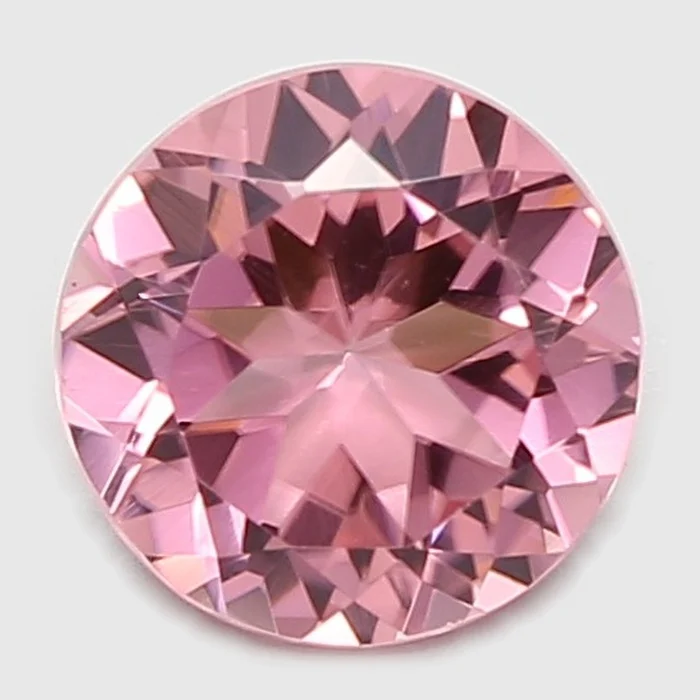
- Pink Tourmaline: Invokes love, compassion, and emotional healing. It is considered to bring joy and happiness into one's life.
- Green Tourmaline: Linked to prosperity and abundance, encouraging growth and vitality.
- Black Tourmaline: A protective stone that shields against negative energies, fostering security and grounding.
For those who embrace their birthstone in October, tourmaline offers a spectrum of attributes that can enrich life and enhance personal transformation, making it not only a beautiful gemstone but a meaningful one as well.
Concluding Thoughts
In exploring the birthstones of October, opal and tourmaline stand out for their unparalleled beauty and depth of meaning. Whether drawn to the mystical, shifting colors of opal or the vibrant rainbow found within tourmaline, each stone offers unique insights and attributes to the wearer. Embracing these gemstones as personal artifacts or as part of birthstone jewelry allows one to connect with the history, symbolism, and spirited energy these exquisite stones convey. Whether for their aesthetic charm or their rich symbolism, opal and tourmaline continue to captivate and inspire.
Incorporating Opal and Tourmaline into Jewelry
Exploring the elegance and versatility of the October birthstones, opal and tourmaline, provides a delightful journey into the world of jewelry design. These gemstones, with their unique characteristics and vibrant hues, offer endless possibilities for creating stunning pieces that capture the imagination and mark special occasions.
Popular Styles and Settings for Opal Jewelry
Opals are celebrated for their mesmerizing play of color, an effect that creates a dynamic display as light moves across the stone. This distinctive feature makes opals an exquisite choice for a variety of jewelry styles.
- Solitaire Rings: The solitaire setting allows the opal's colors to take center stage, reflecting a kaleidoscope of hues. These rings often feature a rounded or oval opal, mounted on simple bands to enhance their natural beauty.
- Cluster and Halo Settings: For a more opulent effect, opals are often encircled by smaller diamonds or gemstones in cluster or halo arrangements. This setting can amplify the opal’s brilliance and add an extra touch of glamour.
- Artistic Pendants and Earrings: Due to their unique color play, opals are ideal for artistic designs in pendants and earrings. Designers often pair them with metals of varied finishes to highlight their beauty.
- Multi-Stone Bracelets: Inbracelets, opals are sometimes used in tandem with other stones, such as diamonds or sapphires, to create contrasting and complementary looks that captivate the eye.
How to Wear Tourmaline for Various Occasions
Tourmaline, noted for its diversity in color, provides wearers with an option to express their personal style across a spectrum of social scenarios. From elegant evenings to casual settings, there is a tourmaline piece suitable for every occasion.
- Everyday Wear: For a touch of casual elegance, choose subtle tourmaline studs or a simple bracelet. These understated pieces can add a hint of color without overpowering more neutral outfits.
- Formal Events: Statement tourmaline necklaces or cocktail rings can elevate a formal ensemble. Richly hued tourmalines, like deep greens or vibrant pinks, offer a sophisticated aesthetic perfect for evening wear.
- Work Attire: In professional settings, tourmaline jewelry, such as a sleek pendant or delicate earrings, can add flair while remaining tasteful. Choose pieces with softer shades that complement traditional workwear.
- Seasonal Celebrations: With tourmaline's vast color palette, seasonal occasions become an ideal opportunity to introduce bolder colors that reflect nature's changing hues, offering a connection to the season.
Caring for Your Opal and Tourmaline Jewelry
Proper care ensures that your opal and tourmaline pieces retain their beauty and luster over time. Both stones require mindful handling to preserve their integrity.
- Cleaning: Use a soft, damp cloth to gently clean your opal and tourmaline jewelry, avoiding harsh chemicals or ultrasonic cleaners, which can damage their delicate structures.
- Storage: Store these gemstones separately to prevent scratches and keep them away from direct sunlight or heat, which can cause opals to lose moisture and develop cracks.
- Handling and Wearing: Avoid exposing your jewelry to hard impacts or abrasive surfaces. It’s wise to remove pieces when engaging in activities that might subject them to force or harsh conditions.
By incorporating opal and tourmaline into your jewelry collection thoughtfully and caring for them properly, these October birthstones can provide enduring beauty and convey personal symbolism throughout your life.
Conclusion
October birthstones, opal and tourmaline, both offer unique beauty and symbolism that can be cherished through jewelry or collected for their natural allure. These stones are not only captivating in appearance but also rich in meaning. Opals, with their fiery play of colors, inspire creativity and hope, while tourmalines, available in a spectrum of colors, foster strength and balance.
When choosing birthstone jewelry for yourself or as a gift, consider the emotional resonance and aesthetic appeal that these stones can bring. Whether it's a sparkling opal ring or a vibrant tourmaline pendant, wearing these gems can be a personal and meaningful expression of individuality. Embrace the timeless allure of October birthstones and let their beauty enhance your jewelry collection.