
Birthstones by Month
December Birthstones: Tanzanite, Zircon, Turquoise & Blue Topaz
Published: Nov 23, 2026
Introduction
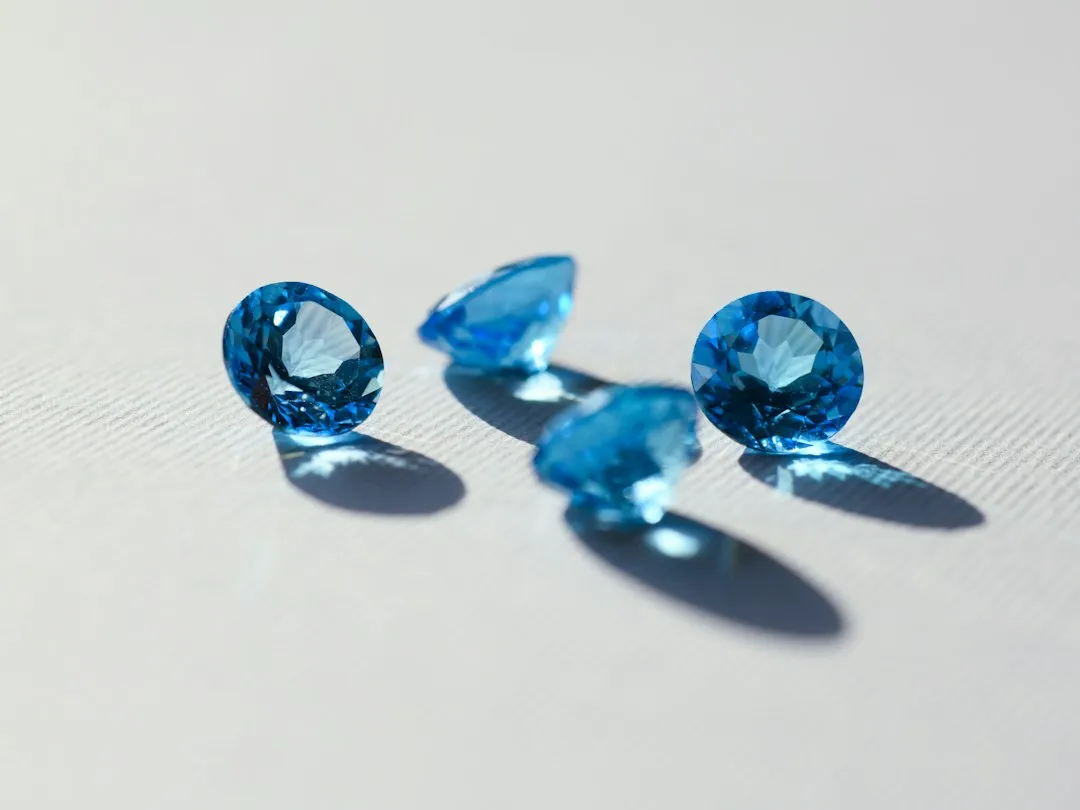
December brings a dazzling array of birthstones, each with its own unique allure: Tanzanite, Zircon, Turquoise, and Blue Topaz. These gemstones offer a vivid palette of blues and greens that capture the imagination and are perfect for creating stunning birthstone jewelry. Whether you're celebrating a birthday or simply drawn to their mesmerizing hues, understanding the qualities and histories of these stones can enhance your appreciation. Let's embark on a journey through the captivating world of December birthstones.
Tanzanite: The Rare Beauty
History and Origins of Tanzanite
Tanzanite is a gem esteemed for its vibrant hues and captivating rarity. Discovered relatively recently in 1967, in the Merelani Hills of Northern Tanzania, this gemstone has garnered widespread admiration and intrigue. It was first unearthed by a Masai tribesman and subsequently named after its country of origin by Tiffany & Co., which recognized its potential to captivate the global market. This exquisite gemstone, famed for its deep blues and vivid violets, emerges exclusively from a single location: the foothills of Mount Kilimanjaro. The scarcity of this geographical source underscores its rarity, making tanzanite a highly coveted treasure in the world of gemstones.
Properties and Meaning
Enhanced by its pleochroic nature, tanzanite is a mineral from the zoisite family. Pleochroism refers to the ability of the gem to exhibit different colors when viewed from various angles, primarily displaying sapphire blue, violet, and burgundy hues. This unique optical property contributes to its allure, creating an irresistible charm.
The spiritual meaning of tanzanite revolves around transformation. It is believed to stimulate the throat, third eye, and crown chakras, potentially facilitating deeper insight, enhanced communication skills, and spiritual growth. Embraced as a stone of healing, tanzanite is thought to aid in breaking old patterns and encouraging exploration of new spiritual pathways.
Incorporating Tanzanite into Jewelry
When incorporating tanzanite into jewelry, designers and jewelers often choose settings that accentuate its mesmerizing hues and allow maximum light exposure. Here are a few common and popular ways tanzanite is used in jewelry:
- Rings: Tanzanite's striking appearance is perfectly showcased in engagement and cocktail rings, often accompanied by diamonds that complement its rich color.
- Necklaces: Pendant necklaces with tanzanite often feature simple settings to allow the stone's colors to take center stage.
- Earrings: Earrings crafted with tanzanite are designed to dangle elegantly, catching light and accentuating the different shades the gem can exhibit.
- Bracelets: Incorporating tanzanite into a bracelet adds a splash of color and luxury, often combined with other gemstones or set into fine metal bands.
Due to its relative softness compared to other gemstones, with a rating of 6 to 7 on the Mohs scale, care must be taken to ensure protective settings and gentle handling to maintain its beauty over time. The allure and rarity of tanzanite make it a prized addition to any jewelry collection, promising a blend of elegance and exclusivity.
Zircon: The Brilliant Gem
A Brief History of Zircon
Zircon is one of the oldest minerals known on earth, with some specimens dating back billions of years, offering a glimpse into the geological history of our planet. Ancient civilizations, such as those in Greece and Rome, valued zircon for its beauty, wearing it as amulets to promote prosperity and protection.
The name "zircon" is believed to have originated from the Persian word 'zargun,' meaning "gold-colored," though zircon naturally appears in an array of colors, including blue, red, green, and clear. Throughout history, it has been mistaken for diamond due to its brilliance, lending it both historical significance and allure.
Unique Properties and Symbolism
Zircon is celebrated for its optical properties, possessing a high refractive index and strong dispersion, which results in a remarkable brilliance comparable to that of more expensive gems. Its fire and sparkle truly stand out, making it an ideal and often more affordable alternative to diamonds.
In terms of gemstone folklore, zircon is linked to enhancing wisdom, self-confidence, and mental clarity. It is also associated with protecting travelers from harm and inducing a peaceful sleep devoid of nightmares. The gemstone is often regarded as one that balances energy and promotes emotional healing, making it a cherished talisman for those who value its mystic qualities.
Zircon in Jewelry: Tips and Trends
Given its versatility and sparkle, zircon finds its way into many types of jewelry designs, offering diverse styling possibilities:
- Rings: As an engagement ring, zircon offers a brilliant, sustainable option, with vivid blue zircon being particularly popular for its deep, captivating color.
- Pendants: Zircon pendants, especially those featuring clear or blue stones, can add an element of classic elegance.
- Earrings: Due to its brightness and array of colors, zircon is often fashioned into chic stud earrings or drop designs for a sophisticated touch.
- Bracelets and Brooches: With its range of colors, zircon can be combined in patterns to create unique, sparkling bracelets or brooches.
To keep zircon jewelry in pristine condition, it is recommended to clean the stones gently with warm, soapy water and avoid exposure to harsh chemicals. Due to its durability and brilliance, zircon remains a versatile and alluring choice for both everyday wear and special occasions, embodying both tradition and contemporary fashion trends.
In summary, both tanzanite and zircon offer distinct qualities that may appeal to different tastes and preferences. Each gem encompasses unique beauty, history, and symbolism, making them perfect choices for individuals born in December or those who simply appreciate the allure of fine, colorful gemstones.
Turquoise: Ancient and Sacred
The Rich History of Turquoise
Turquoise is one of the world's oldest gemstones, with a history that dates back thousands of years. Renowned for its distinctive blue-green hues, turquoise has been highly prized by many ancient cultures, including the Egyptians, Persians, Chinese, and Native Americans. The Egyptians, in particular, valued turquoise for its vibrant color and used it extensively in jewelry and ceremonial items. King Tutankhamun’s iconic burial mask, studded with turquoise, is a testament to its historical significance and value.
In Persia (modern-day Iran), turquoise was a symbol of wealth and protection. Persian artisans crafted beautiful turquoise jewelry and inlayed items that were sought after across the ancient world. Native American tribes also revered turquoise as a sacred stone, associating it with the sky and water, and used it in amulets, jewelry, and traditional crafts. The stone was believed to bring strength, protection, and good fortune to its wearer.
Properties and Cultural Significance
Turquoise is a hydrated phosphate containing copper and aluminum, which provides its captivating blue color. Some varieties, with higher iron content, take on a greenish tint. Due to its unique composition, turquoise is relatively soft, rating between 5 and 6 on the Mohs scale. This characteristic makes it somewhat fragile and porous, so care must be taken to preserve its brilliance.
Culturally, turquoise is revered not only for its aesthetic beauty but also for its metaphysical properties. Throughout history, it has been credited with protective qualities, believed to guard against negative energy and bring peace to its wearer. Many cultures view turquoise as a healing stone, capable of alleviating stress and promoting inner harmony. Additionally, it is seen as a symbol of wisdom and truth, often linked to communication and self-expression.
Modern Uses in Jewelry Design
In today's world, turquoise remains a popular choice for jewelry designers seeking to incorporate its vibrant color and historic charm into modern designs. Its versatility allows it to be shaped into various cuts and forms, lending itself beautifully to both traditional and contemporary styles. From bohemian-inspired necklaces to sophisticated earrings and bracelets, turquoise offers endless possibilities for creativity.
Designers often pair turquoise with metals like silver, which complement its bright, striking color. In recent years, turquoise has been featured prominently in statement pieces, such as chunky rings, bold pendants, and oversized cuffs. The stone's unique pattern—ranging from clear blue to those with intricate veining—adds character and individuality to each piece, making turquoise jewelry truly one of a kind.
Blue Topaz: The Cool Elegance
Origins and Types of Blue Topaz
Blue topaz, celebrated for its icy brilliance and sheer elegance, is a gemstone that captivates with its cool blue hues. Unlike naturally occurring blue topaz, which is quite rare, the majority of blue topaz available today is created through a treatment process that enhances the natural stone’s color. Starting as a colorless or pale stone, topaz undergoes irradiation and heat treatment to achieve its signature vibrant blue shades.
There are several varieties of blue topaz, each named for its unique coloring. The gentle pastels of Sky Blue Topaz evoke a calm, serene feeling, while Swiss Blue Topaz boasts a more vivid, azure hue that resembles the color of a summer sky. London Blue Topaz, the darkest and most sought-after, presents a deep, rich blue with smoky undertones that bring a sophisticated touch to any piece of jewelry.
Properties and Meanings
Topaz is a silicate mineral typically found in igneous rocks and is known for its hardness, rating 8 on the Mohs scale, making it durable and well-suited for everyday wear. The refractive qualities of blue topaz contribute to its brilliant shine and allure. Besides its physical attributes, blue topaz is often linked with a variety of symbolic meanings.
Regarded as a stone of clear communication and honesty, blue topaz is said to inspire creativity and assist in expressing thoughts and feelings. It is associated with calming energies, believed to soothe stress and promote a tranquil state of mind. Many also consider it a talisman of concentration and confidence, often recommending it for those seeking clarity and direction in their personal or professional lives.
Fashion Forward: Blue Topaz Jewelry
Blue topaz has become a staple in the world of fashion and jewelry design, cherished for its adaptability and timeless allure. Its clear, vibrant hues make it a popular choice for jewelry pieces that range from understated to awe-inspiring. Whether layered in a delicate necklace or as a bold centerpiece in a cocktail ring, blue topaz shines with an unmatched luminescence.
Designers frequently highlight blue topaz in elegant settings, pairing it with sterling silver, white gold, or platinum to accentuate its cool tones. These settings allow the gem to take center stage, often complementing it with accent diamonds or other precious stones for added sparkle. Blue topaz has also come to dominate modern trends, with swirling colors and creative cuts becoming common in fashion-forward pieces that appeal to avant-garde tastes.
The gemstone's affordable nature compared to other blue stones like sapphire further contributes to its popularity, allowing for large, eye-catching designs that remain accessible to many. Whether adorning everyday outfits or accentuating eveningwear, blue topaz effortlessly combines elegance with versatility, making it a cherished option in any jewelry collection.
Conclusion
December's birthstones offer a dazzling array of choices, each with its own unique charm and significance. Whether you are drawn to the vibrant blue of Tanzanite, the brilliance of Zircon, the earthy tones of Turquoise, or the serene hues of Blue Topaz, there's a gemstone that can both express personal style and hold personal meaning. These beautiful stones make exquisite additions to any jewelry collection, serving as timeless reminders of December's charm and splendor.