
Understanding Diamond Carat: A Comprehensive Guide
Diamonds captivate with their brilliance and allure. But what truly defines their value? One key factor is the diamond carat. Carat weight is often misunderstood as size, yet it measures weight. This distinction is crucial for buyers.Understanding carat weight helps in making informed decisions. It influences diamond pricing, quality, and overall appeal.
In this guide, we delve into the intricacies of diamond carat. We explore its impact on grading and pricing.
Whether you're a buyer or a jewelry enthusiast, grasping carat weight is essential. Let's uncover the secrets behind this vital diamond attribute.
What Is Diamond Carat?
Diamond carat is a fundamental term in gemology. It denotes a diamond's weight, not its size as often believed. One carat equals 200 milligrams, or 0.2 grams. Understanding this measurement is key to evaluating diamond weight accurately.A diamond's carat weight is critical in the diamond industry. It is among the 4Cs, alongside cut, color, and clarity. While carat weight is straightforward, its influence on diamond perception is multifaceted.
Carat weight influences a diamond's price significantly. Larger carats are rarer, hence more expensive. However, carat is only one part of the value equation.
Here are essential aspects of diamond carat to consider:
- Carat measures weight, not size.
- One carat is 200 milligrams.
- Carat weight influences pricing and grading.
 The History and Origin of Carat Weight
The term "carat" traces its roots to ancient trade practices. Merchants initially used carob seeds as counterweights on balance scales due to their uniform size and weight. This historical method laid the foundation for today's carat measurement.As trade expanded, the need for a standardized unit became evident. Eventually, the carat was universally defined as 200 milligrams. This standardization helped in accurate diamond evaluations and facilitated global trade.
Carat Weight vs. Diamond Size: Clearing the Confusion
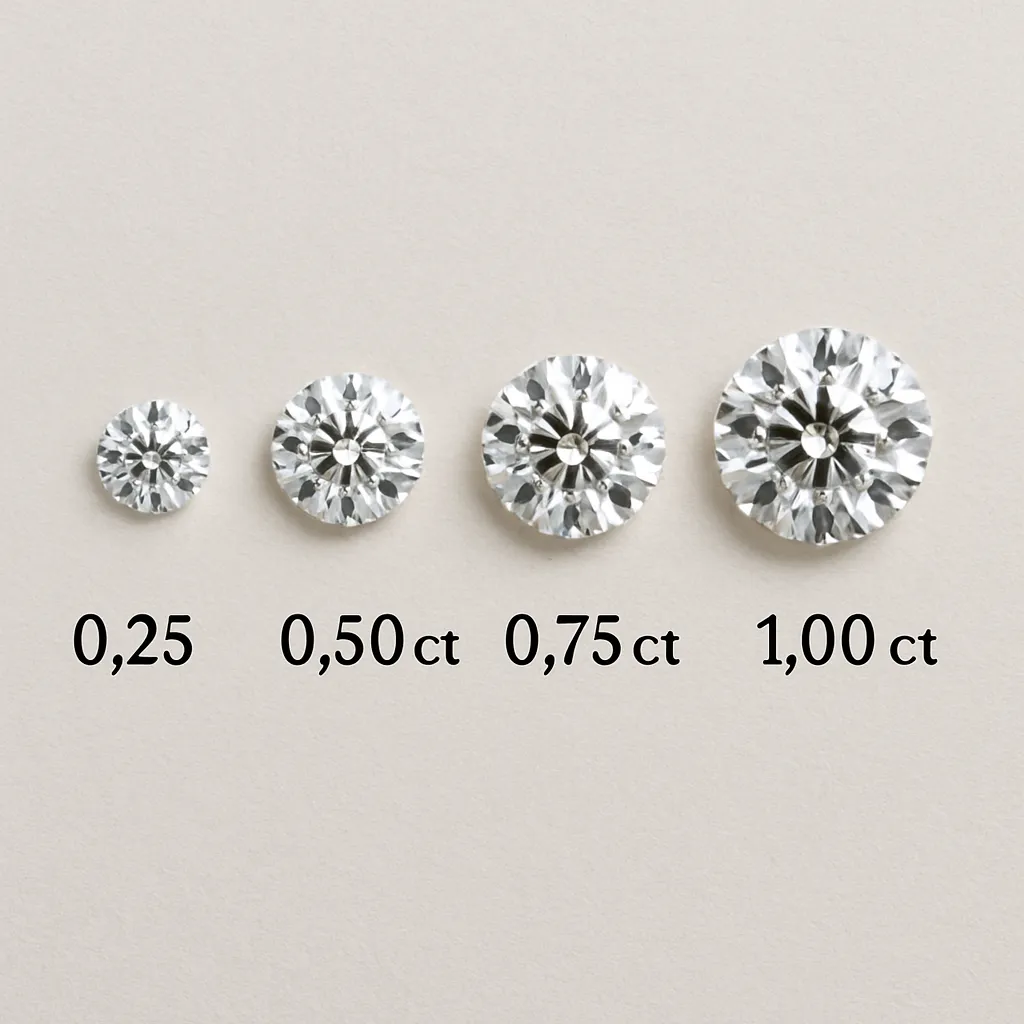
Many people mistakenly equate carat weight with diamond size. However, they are distinct attributes. Carat weight refers to the diamond's weight, while size is about how big the diamond appears.A diamond's cut significantly influences its perceived size. Two diamonds can weigh the same but look different. This variation is due to their differing cuts and shapes.
Consider these key differences:
- Carat weight measures the actual weight.
- Diamond size is about visual dimensions.
- The cut can make a diamond appear larger.
How Carat Weight Affects Diamond Pricing
Carat weight is a vital factor in determining a diamond's price. Generally, larger carat diamonds cost more per carat due to their rarity. This exponential increase in price makes carat weight a significant attribute to consider.
Diamonds are sorted into price brackets by carat weight. For instance, a 1.5-carat diamond might be substantially more expensive than a 1.0-carat diamond, even if all other qualities are identical.
Price per carat typically rises with weight, following a non-linear model. Here’s how it works:
- 0.5 to 1.0 carats, moderate price increase.
- 1.0 to 2.0 carats, significant price jump.
- Over 2.0 carats, the price skyrockets.
Carat Weight and Diamond Grading: The 4Cs Connection
Carat weight is integral to diamond grading. It forms one of the renowned 4Cs. These standards are crucial in assessing a diamond's overall value.
Each "C" stands for a unique attribute. These are:
- Carat Weight: Measures the diamond's mass.
- Cut: Influences sparkle and brilliance.
- Color: Rates the absence of color in stones.
- Clarity: Evaluates imperfections and blemishes.
Carat Comparison: Visual Differences and Perceptions
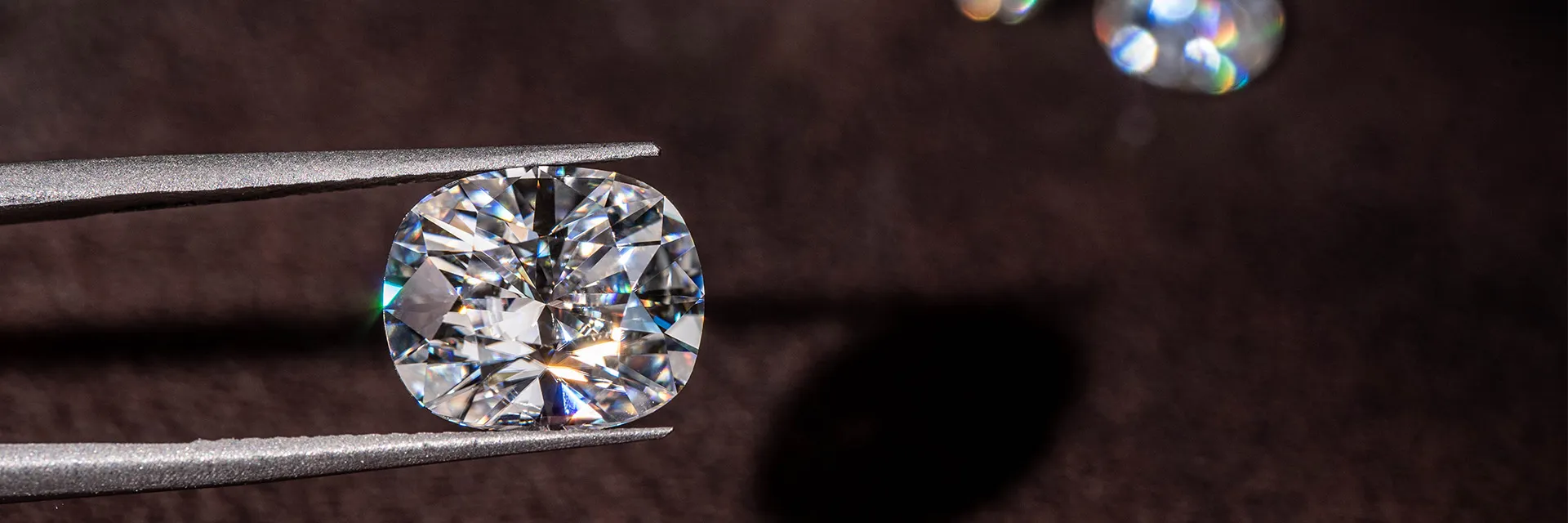
When comparing diamonds, carat weight often takes center stage. However, it's not the only factor that influences a diamond's appearance. Two diamonds with the same carat weight can look surprisingly different due to variations in their cut and proportions.
A deeper understanding of carat weight brings clarity. Consider these points:
- Larger carat weight appears more impressive visually.
- Cut quality can enhance or diminish perceived size.
- Shape impacts how size is visually interpreted.
Choosing the Right Carat Weight: Practical Tips for Buyers
Selecting the perfect carat weight depends on personal preferences and lifestyle. Buyers should think about how the diamond will be worn daily. It’s crucial to balance carat weight with other factors like cut and clarity for the best value.
Consider these practical tips to guide your decision:
- Set a realistic budget for carat weight.
- Try on different carat weights to see what suits you.
- Prioritize overall quality over solely carat weight.
Frequently Asked Questions About Diamond Carat
Curious about diamond carat? You're not alone. Many buyers have similar questions, and understanding these can aid in making smarter purchases. Here are some common queries:
- What is a diamond carat?
- How does carat weight affect value?
- Are size and carat the same?
Conclusion: Making Informed Diamond Decisions
Understanding diamond carat is crucial for making wise buying decisions. It is more than just a number; it’s a key factor in diamond grading and pricing.
By knowing how carat weight interacts with other qualities, you can choose a diamond that best fits your needs and budget. Use this knowledge to navigate the diamond market with confidence and insight.