
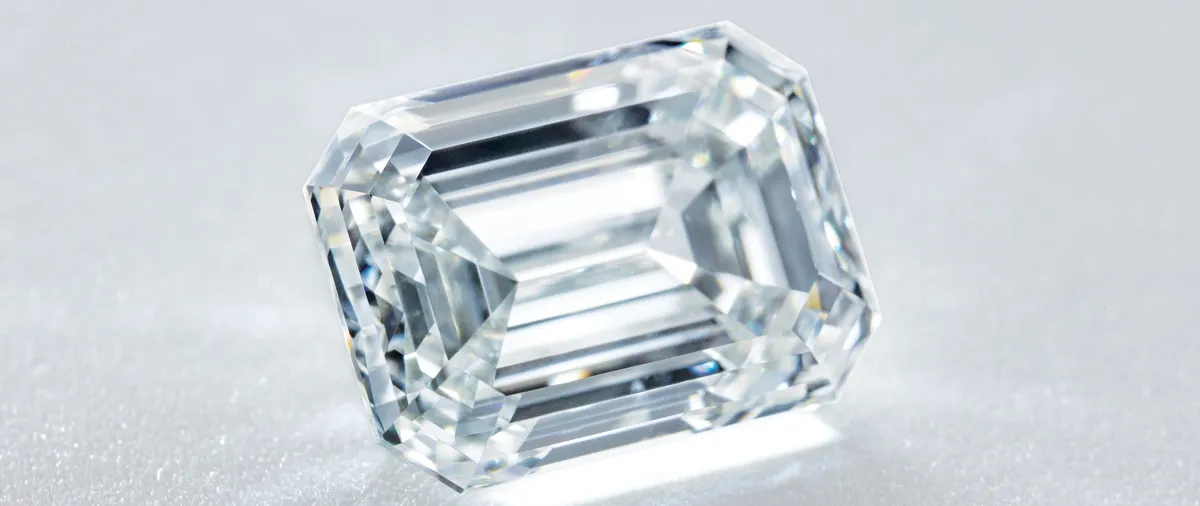
April Birthstone Diamond: History and Meaning
Diamonds are more than just beautiful stones. They are the birthstone for April, symbolizing strength and eternal love.
These gems have captivated humans for centuries. Their allure is unmatched, and their history is rich and fascinating.
The word "diamond" comes from the Greek "adamas," meaning invincible. This reflects their unmatched hardness and durability.
Diamonds are formed deep within the Earth under extreme conditions. This natural process makes them rare and valuable.
Throughout history, diamonds have been symbols of power and status. They are often associated with purity and innocence.
Whether for a birthday or an engagement, diamonds hold a special place in our hearts.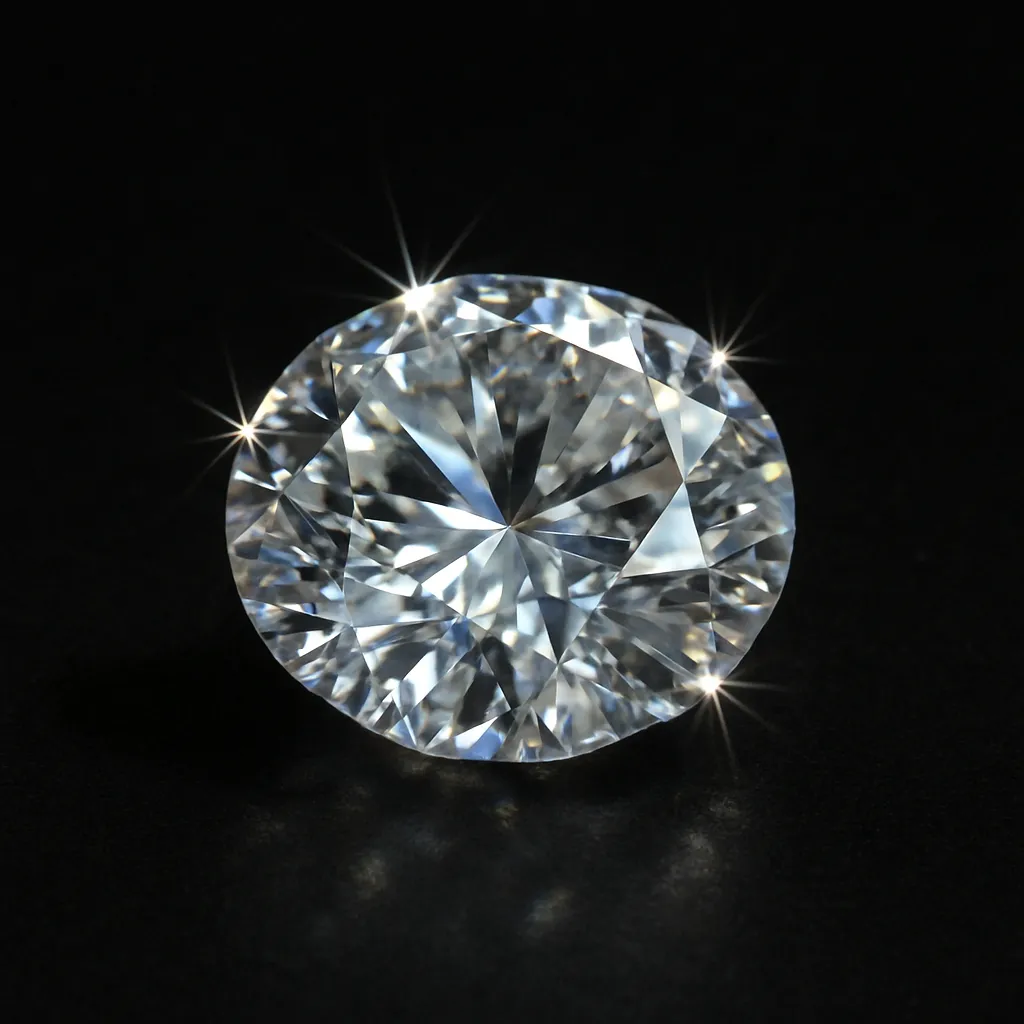
The Tradition of Birthstones and April’s Gemstone
Birthstones link people to specific months through gemstones. This tradition traces back to ancient cultures, where each month had a designated stone.
April's gemstone, the diamond, stands out for its brilliance and hardness. It's more than just an accessory; it's a symbol of strength and invincibility.
Many believe wearing a birthstone brings good luck or protection. The diamond is no different, embodying both beauty and powerful energies.
Here are a few key aspects of birthstones:
Ancient origins, often tied to beliefs and legends
Each stone associated with specific attributes
Used in jewelry to honor births and special occasions
This longstanding custom continues to thrive. Diamonds, being the April birthstone, hold a special place in this tradition.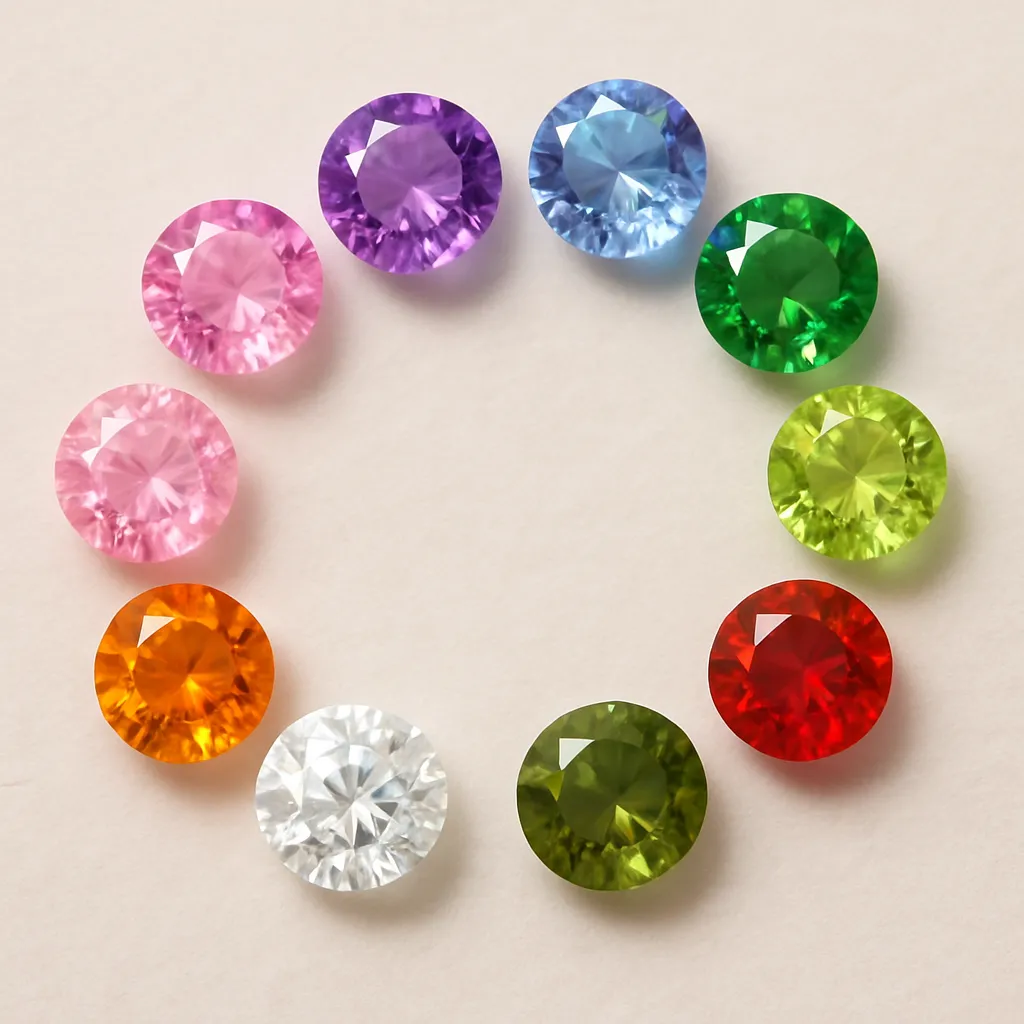
The History of Diamonds: From Ancient Times to Today
Diamonds have been cherished for over two thousand years. The first recorded use of diamonds as adornments was in ancient India. These gems were initially collected from rivers and streams.
Their allure quickly spread across continents. The Romans believed diamonds were fragments of fallen stars. Such myths only heightened their mystique and value.
Over centuries, diamonds symbolized power, wealth, and status. Rulers across the world adorned themselves with these coveted stones. They became central to royal crown jewels and significant historical events.
The late 19th century saw the discovery of diamonds in South Africa, sparking a global diamond rush. This pivotal moment led to the rise of major mining companies. Consequently, diamonds became more accessible to people around the world.
Key points in diamond history include:
First use in India over two millennia ago
Roman myths enhancing their otherworldly status
Industrial mining beginning in the 19th century
These elements have shaped the diamond's journey from ancient relic to modern icon. Its history is rich and deeply rooted in various cultures.
How Diamonds Are Formed: Nature’s Marvel
Diamonds are one of nature’s most fascinating creations. Formed deep within the Earth's mantle, they originate from carbon atoms. High pressure and extreme temperatures are vital to their creation.
The journey from deep Earth to a polished gem is astonishing. Volcanic eruptions transport these diamonds closer to the surface. This process takes millions of years, underscoring their rarity.
The unique crystal lattice structure makes diamonds incredibly hard. It is this hardness that defines their legendary durability. Here are the key stages of diamond formation:
Carbon crystallizes under high pressure and temperature
Volcanic activity brings diamonds near the Earth's surface
Erosion and mining bring them to human hands
This remarkable formation gives diamonds their enduring allure and resilience.
Diamond Characteristics: What Makes April’s Birthstone Unique
Diamonds stand out due to their exceptional qualities. Their unmatched hardness, rated a 10 on the Mohs scale, ensures they never scratch. This makes diamonds the hardest natural material known to man.
The beauty of diamonds also lies in their brilliance. This brilliance results from their remarkable ability to refract light. The precision in the cut enhances this, creating dazzling sparkle and fire.
Diamonds also boast unique color variations. Although colorless diamonds are prized, hues like blue, yellow, and pink exist. These colors arise due to trace elements present during formation.
To appreciate these qualities, consider the following diamond characteristics:
Hardness: Resistant to scratching
Brilliance: Exceptional light dispersion
Color: Wide range from colorless to vibrant hues
These attributes make diamonds timeless treasures, coveted across cultures for their beauty and rarity.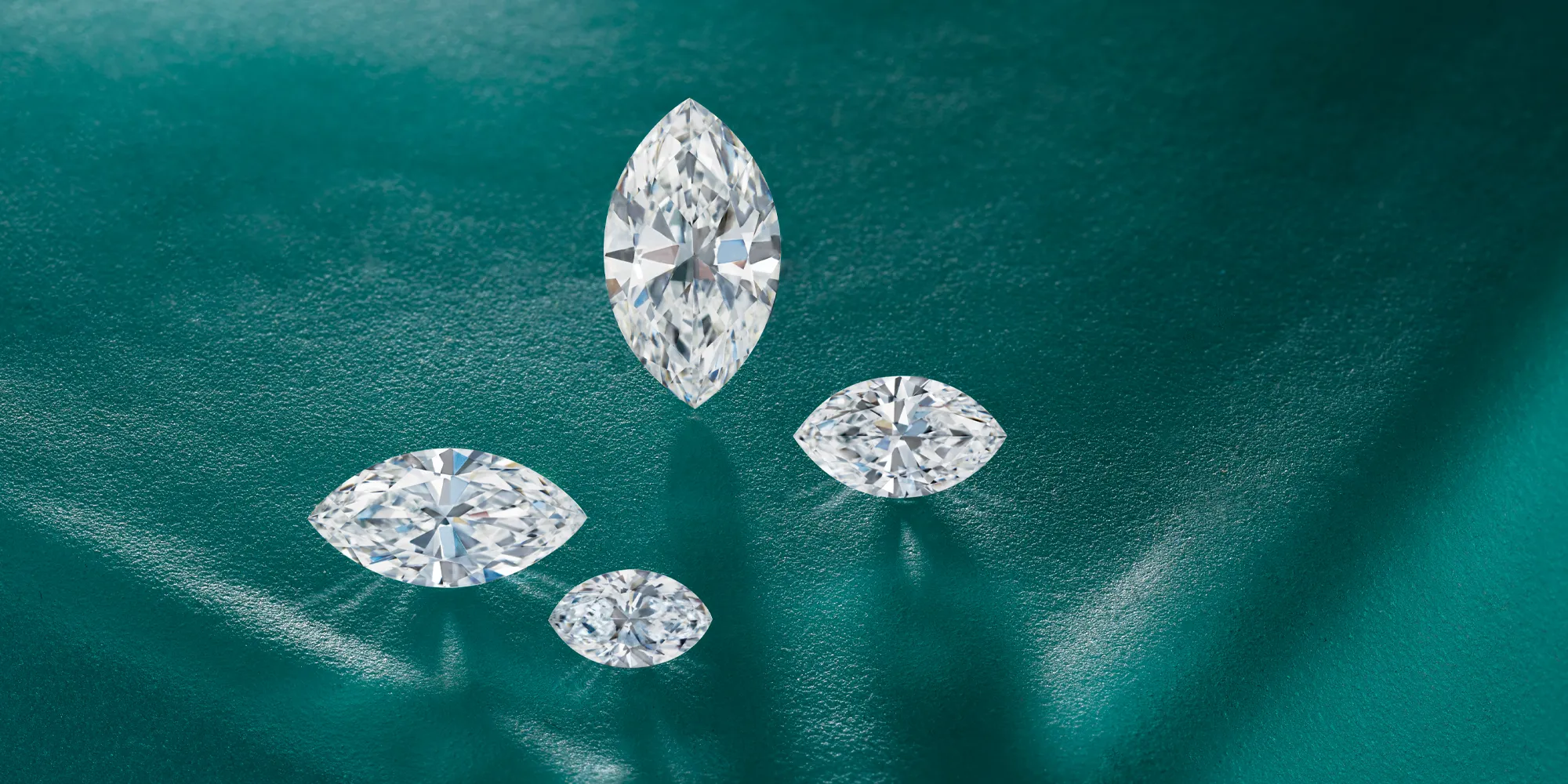
Symbolism and Meaning of the April Birthstone
Diamonds have captivated hearts through centuries, signifying love and resilience. Known as the April birthstone, they carry deep symbolic meanings. Traditionally, diamonds are seen as symbols of everlasting devotion.
Throughout history, their symbolism has evolved. They're often linked to strength and purity. The ability of diamonds to endure harsh conditions is likened to unwavering strength.
In various cultures, diamonds represent different virtues. For instance, they embody courage in some traditions and fidelity in others. Such diverse interpretations highlight their universal significance.
Here's a brief overview of diamond symbolism:
Eternal Love
Strength and Purity
Courage and Fidelity
Understanding these meanings adds depth to the allure of diamonds. They are more than just beautiful gems; they're a testament to enduring love and strength.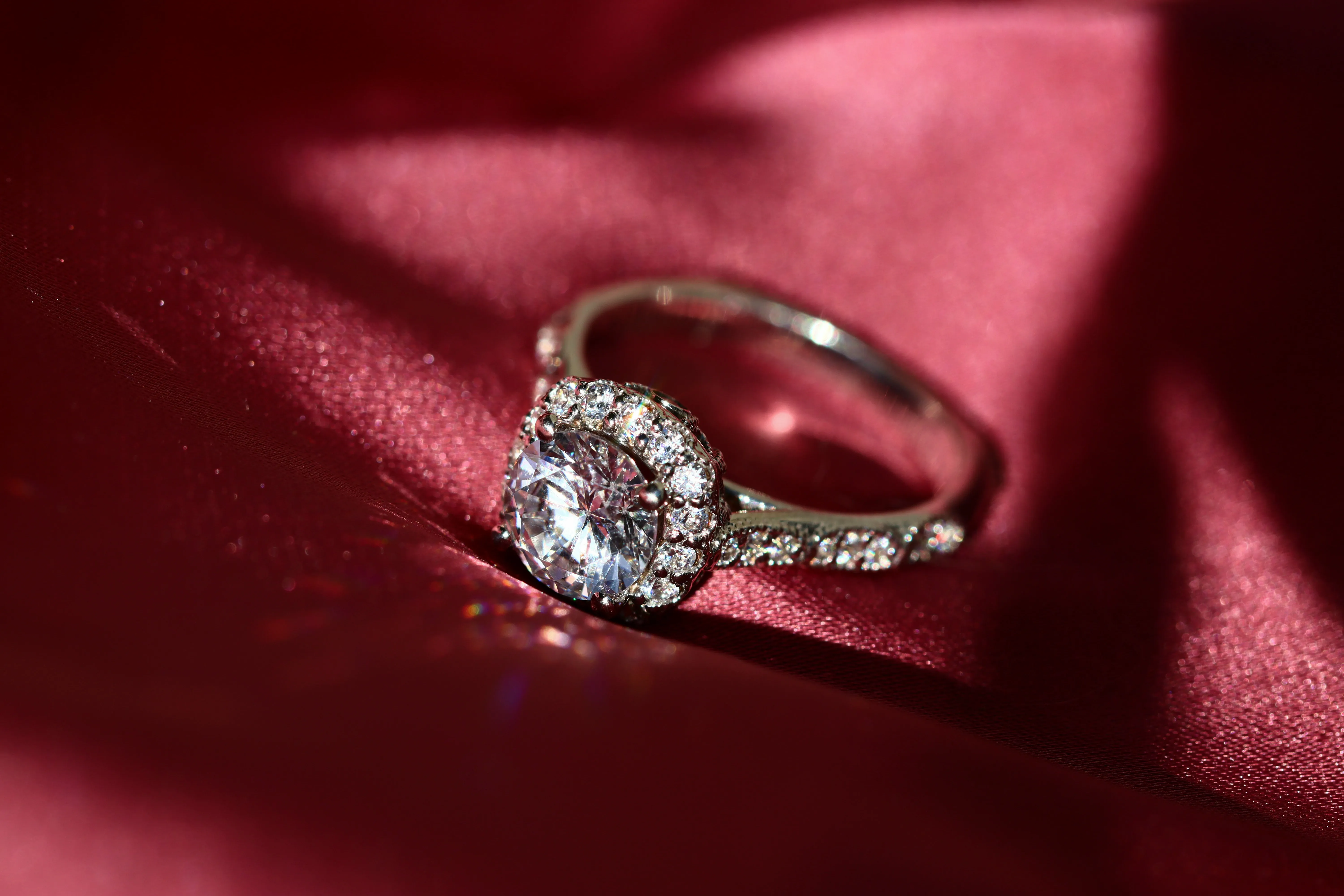
Diamonds in Culture and Mythology
Diamonds have woven their way into culture and mythology with mesmerizing significance. In ancient lore, they were revered as fragments of celestial bodies. These myths have imbued diamonds with a sense of wonder and intrigue.
Cultures around the world have their own diamond legends. The ancient Romans, for instance, believed diamonds were splinters of stars. Meanwhile, Hindu mythology tells of diamonds as the tears of deities.
Various stories and beliefs highlight the mystique of diamonds:
Roman splinters of stars
Hindu tears of the gods
Symbols of power and wealth in multiple societies
These tales enhance the allure of diamonds, capturing imaginations. Whether linked to divine origins or cosmic splendor, diamonds continue to enchant. They are gems that bridge earthly beauty and mythic wonder.
The Four Cs: Understanding Diamond Quality
The beauty of a diamond hinges on a specific set of factors. Known as the Four Cs, these criteria are key in assessing diamond quality. Each aspect contributes to the gem's overall allure and market value.
The first C stands for Carat, a measure of the diamond's weight. Heavier stones are rarer and more sought after by collectors. Meanwhile, the Cut describes how well the diamond has been shaped to sparkle. A fine cut enhances the light reflection, elevating its brilliance.
Color and Clarity are the final two Cs. Color grades indicate the presence or absence of color in a diamond. Clearer stones without tint usually fetch higher prices. Clarity measures the presence of internal inclusions or external blemishes. The fewer the flaws, the more radiant the diamond appears.
Carat: weight of the diamond
Cut: shape and sparkle
Color: hue and tint
Clarity: internal and external flaws
Understanding these components helps buyers make informed choices. It ensures they appreciate the true value of their April birthstone diamond. Carefully considering the Four Cs can lead to acquiring a truly magnificent gem.
Famous Diamonds and Their Stories
Throughout history, certain diamonds have captured the world's attention with their size and lore. One such gem is the Hope Diamond, known for its striking blue hue and legendary curse. Tales of bad luck have swirled around this famous stone for centuries.
Another notable diamond is the Cullinan Diamond, discovered in South Africa. Weighing a massive 3,106 carats, it remains the largest diamond ever found. Its pieces now adorn British royal regalia, enhancing its historical significance.
Hope Diamond: famed for its blue color and mysterious curse
Cullinan Diamond: largest ever, part of royal jewels
These iconic diamonds illuminate the rich tapestry of gem history, showing both beauty and intrigue. Their stories inspire awe and fascination for gem lovers worldwide.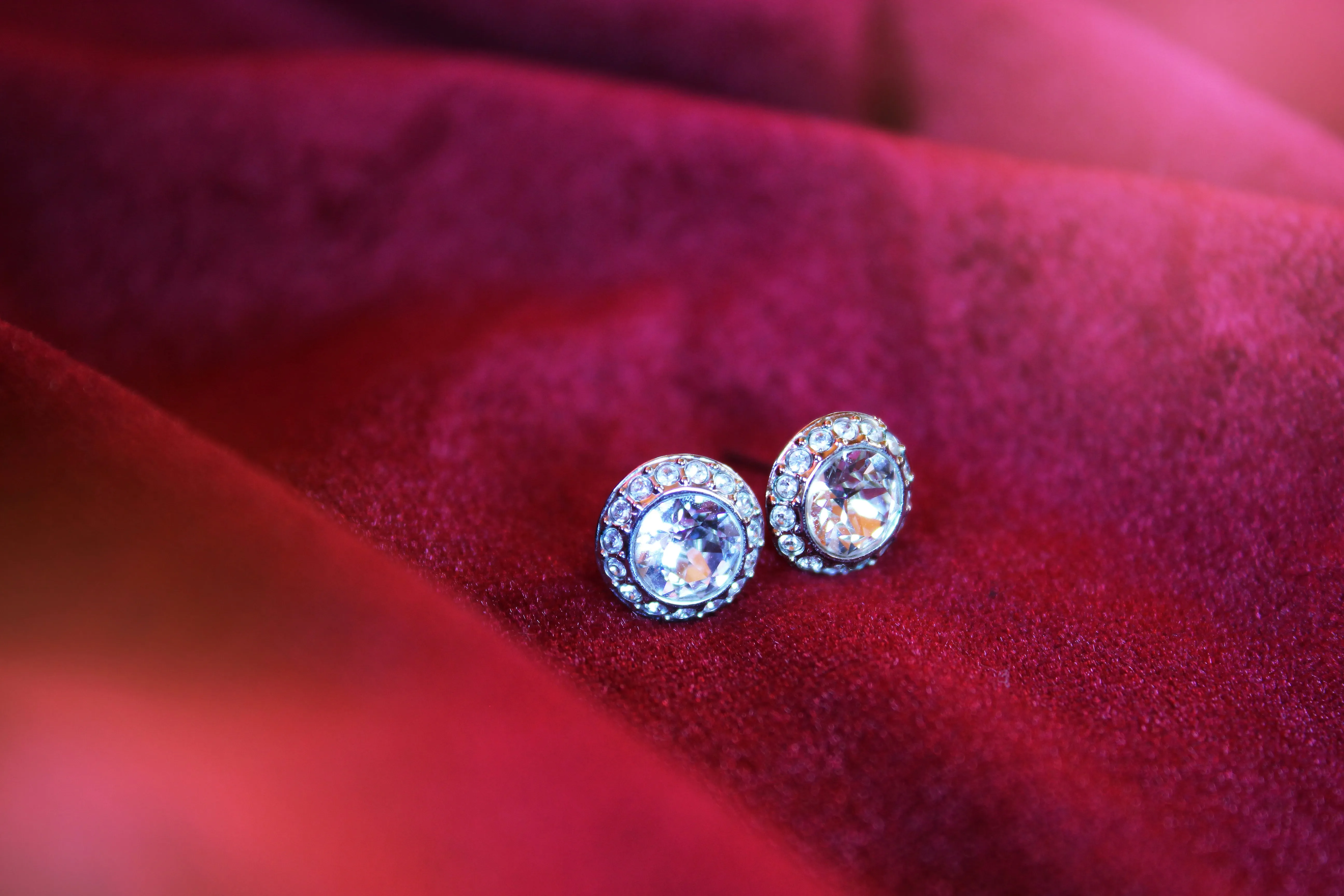
Ethical Sourcing and Lab-Grown Diamonds
The diamond industry faces scrutiny over ethical sourcing issues, prompting the rise of responsible mining initiatives. The Kimberley Process works to prevent conflict diamonds from entering the market. This ensures that diamonds are ethically sourced and help support communities.
Lab-grown diamonds offer a modern, sustainable alternative to mined gems. They boast identical sparkle and structure without the environmental and social concerns of traditional mining. As a result, these diamonds are gaining popularity among eco-conscious buyers.
Kimberley Process: combats conflict diamonds
Lab-grown diamonds: ethical and sustainable
Ethical sourcing: supports communities
Embracing these options allows consumers to enjoy their April birthstone with a clear conscience.
Caring for Your April Birthstone Diamond
Proper care is essential to maintain the sparkle of your April birthstone. Although diamonds are known for their exceptional hardness, they still require gentle handling. Regular cleaning helps prevent grime build-up that can dull their brilliance.
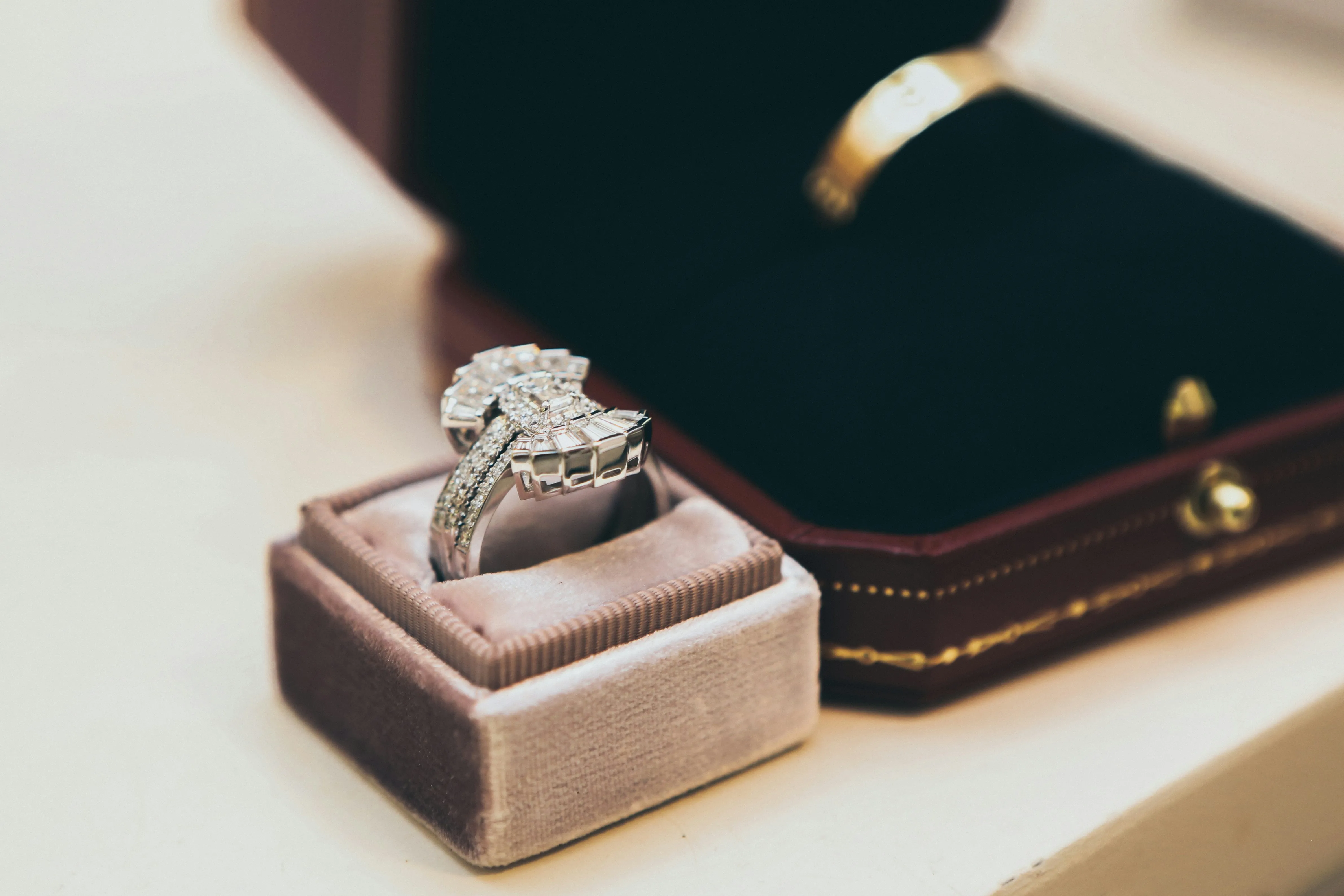
Storing diamonds separately is crucial to avoid scratches and preserve their pristine condition. Use a soft pouch or a dedicated jewelry box to keep each piece safe. Avoid wearing diamond jewelry during activities that might expose them to harsh chemicals or rough surface.
- Clean regularly to maintain sparkle
- Store separately to prevent scratches
- Avoid exposure to harsh conditions
By following these steps, your April birthstone will remain dazzling for years to come.
Gifting and Wearing the April Birthstone
Gifting a diamond, the April birthstone, is an enduring gesture of love and appreciation. Its timeless beauty makes it an ideal choice for significant life events. Whether celebrating a birthday, anniversary, or personal milestone, a diamond gift holds deep meaning.
When wearing diamond jewelry, consider pieces that suit both everyday wear and special occasions. Versatile styles ensure the April birthstone complements various looks. Diamonds add elegance whether worn as rings, necklaces, or earrings.
- Choose styles for everyday and special events
- Consider personal taste and lifestyle
- Commemorate important milestones with diamonds

The April birthstone diamond captivates with its unmatched sparkle and timeless elegance. Its allure transcends cultures and centuries, making it a cherished gemstone.
Diamonds symbolize strength, love, and purity. They leave a lasting impression whether gifted or worn. The enduring beauty of diamonds secures their place in history and our hearts.